 En
En
 Français
 Español
 Italiano













How to lose weight effectively without frustration or fatigue?
The quick answer: To lose weight effectively, you need to create a slight caloric deficit while maintaining satiety:
-
eat more protein and vegetables,
-
reduce sugary and ultra-processed products,
-
move a little each day (walking, daily activities),
-
eat slowly and respect hunger.
This combination stabilizes appetite, restarts metabolism and allows you to lose weight permanently without extreme restrictions.
With age, and especially after several disappointing diets, metabolism slows down and pounds settle in permanently. Yet losing weight smoothly, without excessive fatigue or extreme restrictions, is perfectly possible once you adopt a consistent method, step by step. This framework helps calm your relationship with food, stabilize results, and fully regain self-confidence—without demanding exercise.

Why is it so difficult to lose weight today?
The role of metabolism and hormones
As you age, the body transforms and metabolism naturally becomes less reactive. The decrease in estrogen reduces the efficiency of fat burning, while abdominal storage becomes more frequent. This phenomenon is accentuated by daily stress, which increases the production of cortisol, a hormone that also promotes fat storage around the belly.
At the same time, hunger and satiety signals become disrupted.
-
Ghrelin: the hormone that stimulates appetite, increases
-
Leptin: responsible for satiety, decreases. We therefore tend to feel hungry more often and more intensely, while having difficulty feeling "full."
Lack of sleep completes this picture: by reducing your hours of rest, you further increase cortisol and weaken your food self-regulation. What you sometimes interpret as a lack of willpower is actually a normal physiological reaction. And precisely: it's because these mechanisms exist that it's possible to act on them with an adapted approach.
The 5 mistakes that sabotage your efforts (without you even realizing it)
Many daily behaviors have a direct impact on weight without one realizing it.
-
Skipping breakfast creates intense cravings at the end of the day, when control is most easily lost.
-
Sugary drinks: even when presented as "natural," they provide large amounts of calories that never satisfy, which leads to eating more later.
-
The speed at which you eat also plays an essential role: swallowing a meal too quickly prevents satiety signals from arriving in time.
-
Sauces: often overlooked, they are very high in energy and silently add to your intake.
-
Eating mechanically in front of a screen automatically increases quantities without you really perceiving your hunger.
-
Alcohol: it disrupts eating sensations and adds unnecessary calories.
These habits are not mistakes: they are simply automatisms. Identifying them already allows you to regain control.
To go further on this subject, you can consult our simple daily tips to lose weight quickly.
Why "eating less" never works for long
The idea of drastically reducing portions to lose weight seems logical, but produces the opposite effect. Too low a calorie intake pushes your body into "energy-saving mode". It then slows down metabolism, burns less fat, and attacks muscle mass more, which further worsens your resting energy expenditure.
When you then return to normal eating, your body, still in protection mode, stores more easily: this is how the yo-yo effect sets in. Eating less is therefore not the solution. What really works is eating better: sufficient protein intake, fiber for volume, regular meals, and a structure that avoids brutal fluctuations. The body needs stability, not deprivation.
How to lose weight effectively? The 3 essential levers
1) Diet: your primary driver of weight loss
To lose weight in a permanent way, it is often enough to create a slight caloric deficit, gentle enough not to starve the body. Reducing your intake by 200 to 300 calories per day is enough to restart weight loss without generating fatigue.
Quality proteins play a central role: they fill you up, preserve your muscles, and limit cravings. Combined with fiber-rich vegetables, they allow you to eat voluminous plates while keeping calories in check. At the same time, reducing ultra-processed foods, ready-made meals, sugar, and saturated fats naturally simplifies weight loss.
Adopting simple and balanced meals — a base of proteins, a good volume of vegetables, and a small portion of whole grains — helps stabilize energy throughout the day. Eating slowly allows your brain to perceive fullness and prevents you from exceeding your needs without realizing it.
If you would like concrete ideas, discover our dedicated article: what foods should you eat to lose weight?
2) Movement: useful but not essential to get started
Contrary to what is often believed, weight loss depends first and foremost on diet. Movement comes next as a support, but it does not need to be intensive. A thirty-minute walk, even spread throughout the day, is enough to activate the metabolism while respecting your body.
Small daily actions — taking the stairs, walking for short trips, or simply moving a little more throughout the day — have a real cumulative effect. This type of movement is accessible to everyone, adaptable, and generates neither stress nor excessive fatigue. In case of joint pain or limitations, it is advisable to adapt the activity so that it remains comfortable and safe.
If you would like a detailed approach on this topic, see: how to lose weight without exercising: 5 effective tips.
3) Eating behavior: the key to avoiding frustration
Beyond what you eat, the way you eat greatly influences your weight loss. Mindful eating helps restore a more balanced relationship with meals: savoring food, eating without distractions, and listening to internal hunger and satiety signals helps avoid excess without having to restrict yourself.
This approach reduces food-related stress and limits compulsive snacking. It also helps stabilize meal rhythms and reconnect your brain to your real needs, which makes weight loss more serene and much more permanent.

Which method to choose to lose weight? An objective and open comparison
Choosing a weight loss method can seem complex, but three approaches dominate today.
-
Dietary rebalancing: involves eating everything while adjusting portions. It's an educational, very permanent method, but requires patience as it generally leads to slow loss.
-
The classic low-calorie diet: based on overall calorie reduction. It may seem simple to follow, but often leads to hunger and risk of deficiencies, with unstable results over time.
- The Cetofine 21 high-protein method: based on a strong protein presence and controlled carbohydrate reduction. It often allows faster loss with less hunger, but requires a serious framework to be properly applied.
How to spot ineffective methods?
Some approaches promise unrealistic results. Programs guaranteeing ten kilos lost in two weeks, mono-food diets, or those that entirely eliminate food categories expose you to fatigue, nutritional deficiencies, and an almost guaranteed yo-yo effect.
The absence of stabilization is also a sign of ineffectiveness: if the reintroduction of foods is not gradual, regaining weight is inevitable. Finally, the absence of support or a clear framework increases mistakes and frustration.
A reliable method is always progressive, varied, and structured.
What to eat to lose weight? The simple basics for everyone
The most filling foods and those most favorable to weight loss are those that provide many nutrients for few calories. White meats, fish, eggs, and legumes are good examples.
Alongside these, voluminous vegetables such as zucchini, broccoli, spinach, or bell peppers allow you to fill your plate without adding to your caloric intake, which helps avoid cravings.
Conversely, the foods to limit are those that provide calories without truly nourishing the body: sugary drinks, pastries, industrial snacks, or alcohol. The goal is not to ban everything, but to reduce these foods to leave more room for those that support your weight loss.
To go further on the diet section, you can read: what foods should you eat to lose weight?
How to lose weight every day: practical tips
-
For breakfast: It should be high in protein to help stabilize energy and prevent morning cravings. It can include eggs, Greek yogurt, skyr, or red berries paired with nuts.
For specific ideas, you can refer to the article: the best breakfast to lose weight quickly. -
For lunch: a simple plate combining lean proteins, vegetables, and a small amount of quality oil creates a nourishing and satisfying meal.
-
In the evening: a lighter meal aids digestion and sleep, especially when rich in vegetables.
You can get inspiration from the article evening weight loss meal: what to eat at night to lose weight?.
Beyond what's on your plate, small daily habits facilitate weight loss: drinking a glass of water before meals, eating without screens, slowing down meal pace, preparing vegetables in advance, or simply going to bed a bit earlier. These actions have a surprisingly cumulative effect and contribute to smoother weight loss.
Do you need to count calories? (And how to create a deficit without suffering)
The energy balance is simple: if you consume more calories than you burn, you store them; if you consume fewer, you lose weight.
But there's no need to spend your days counting everything. By choosing more filling foods — proteins, fiber, voluminous vegetables — you naturally create a caloric deficit without even realizing it.
This approach helps avoid frustration and rediscover intuitive eating, more connected to your sensations.
To better understand this mechanism, here are our articles dedicated to caloric deficit:
Can you lose weight without exercise?
Yes, it is entirely possible. Diet plays the main role in weight loss. Exercise comes next as a bonus, but it is not essential at the start.
It is often the small daily habits — taking the stairs, walking after a meal, stretching in the morning, parking a little farther away — that make the difference. They are accessible, not tiring, and help maintain a sufficient level of activity to support weight loss.
Special cases: adapting weight loss to your profile
At menopause, the drop in estrogen modifies fat distribution and makes the belly more sensitive to storage. A diet rich in protein, better stress management, and regular sleep offer very good results.
For high BMI, a secure and progressive approach is essential. The body responds better to regular and stable loss than to brutal restrictions.
For people who lack time, simplified meal organization and a few quick routines are enough to maintain an effective structure without mental burden.
3-level action plan
- The first level involves implementing a few simple actions: drinking more water, walking a bit more, replacing sugary drinks with lighter alternatives, slowing down meal pace, and prioritizing sleep. These actions, though basic, have a considerable impact when they become regular.
- The second level involves actually structuring your meals: proteins, vegetables, and whole grains become the foundation of your plate, with controlled and consistent portions. This structure nourishes well, satisfies for a long time, and helps stabilize hunger.
- The third level corresponds to adopting an organized method, with a logical progression between loss, transition, and stabilization. This logic prevents fluctuations, provides a clear framework, and enables permanent results.
A progressive and safe method for permanent results
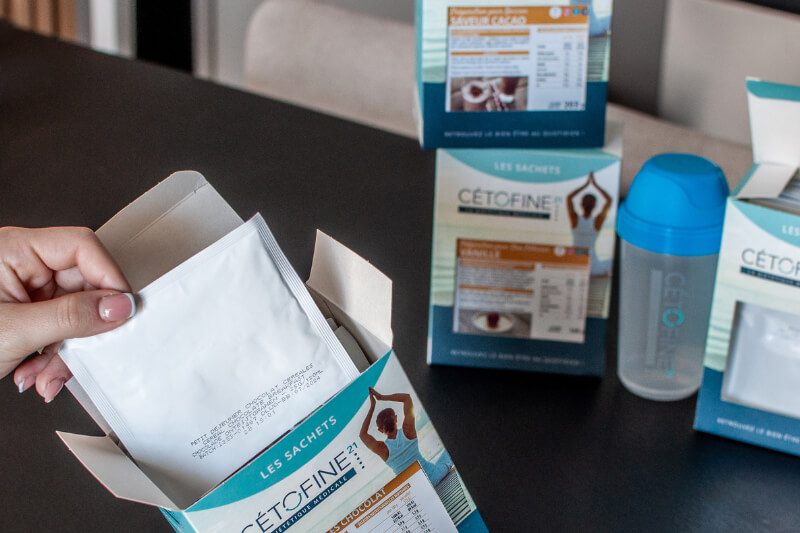
Losing weight permanently requires more than simply reducing calories: you need a method that respects your pace, your body, and your daily life. This is exactly what Cétofine offers, thanks to a four-tier structure proven over more than 25 years. This progressive organization avoids metabolic shocks, reduces frustration, and limits the risk of the yo-yo effect. It allows you to lose weight effectively while maintaining your energy, free from doubt and mental burden.
Unlike quick diets, often followed by an equally quick regain, the Cétofine method installs permanent changes. It guides each step to make weight loss simpler, more serene, and above all more realistic. This explains why thousands of women have adopted it successfully, particularly after several unsuccessful attempts.
The tier principle: a simple and reassuring roadmap
The Cétofine method is built on four successive tiers, each designed to gently support the body's transformation.
-
The first tier launches active weight loss, supported by high-quality proteins.
-
The second tier progressively reintroduces natural foods to continue losing weight without shocking the body.
-
The third tier marks the transition: fruits, starchy foods, and adapted portions gently return to the plate.
-
The fourth tier, essential, consolidates the results to prevent any regain.
This progression respects physiology; you know exactly what to eat and how to move forward, without complex calculations. This clarity considerably reduces mental burden, one of the most frequent obstacles in weight loss.
Avoiding the yo-yo effect through structured stabilization
Stabilization is at the heart of the Cétofine method. Many diets fail in the long term because they neglect this nevertheless essential step. Here, it is integrated from the start into the overall plan.
Thanks to high biological value proteins, your muscle mass is preserved. The metabolism remains active, which greatly limits the risk of regaining weight after the first weeks of loss. Women who have experienced cycles of dieting and regaining discover a different way forward: fast yet safe weight loss, followed by stable maintenance.
Professional support, present throughout the program, secures this progression. At each step, an expert can answer questions, adjust, and reassure. You are never alone facing doubts or plateaus.
High-protein products designed to simplify daily life
One of Cétofine's major assets is the quality of its high-protein products. Laboratory in France, controlled proteins rated for their high biological value (chemical score >100), they provide lasting satiety while limiting cravings. Their quick preparation — often less than two minutes — removes much of the stress related to meal organization.
This simplicity changes everything: you follow a structured program, without having to constantly think about what to eat. The variety of products (drinks, desserts, soups, savory dishes) allows you to maintain eating pleasure, which is essential to stay motivated long-term.
A turnkey solution that lightens the mental load
The real challenge in weight loss isn't willpower: it's mental load. Thinking about meals, counting calories, anticipating slips… It's exhausting. Cétofine eliminates this complexity with a simple framework, clear rules, and meals ready in minutes.
This "turnkey" dimension makes all the difference. You move forward peacefully, without asking yourself a thousand questions. The method thinks for you, while leaving you in control of your pace. Many customers describe this feeling as a real relief.
A method adapted to particular situations
Certain life stages make weight loss more difficult. Cetofine is particularly suited to these profiles thanks to its progressive levels and expert support.
During menopause, the drop in estrogen promotes abdominal storage and slows metabolism. The high-quality proteins in the program help preserve muscle mass and improve fat burning, even with a sedentary lifestyle.
For people with a high BMI, the tiered structure and personalized follow-up offer a safe and medically sound environment: each step is adjusted, each progression monitored.
And for those who lack time, the quick meal preparation of Cetofine makes the program compatible with busy days. It's a concrete, simple solution truly adapted to daily life.
Frequently Asked Questions About Weight Loss
What Allows You to Lose Weight Quickly Without Deprivation?
A structured method helps you lose weight without hunger: quality proteins for satiety, fiber-rich vegetables, and a step-by-step progression to avoid the yo-yo effect. The key is having a simple and clear framework for permanent results.
How to Lose 10 kg Safely and Without Fatigue?
By following a progressive method: an active phase to start the loss, then a stabilization phase to consolidate results. No need for intense exercise, just a controlled eating structure.
Which Foods Should You Limit to Facilitate Weight Loss?
Cut back on sugary drinks, processed snacks, fried foods, and alcohol. These are "empty" calories that trigger cravings. Replacing them with protein options and vegetables simplifies weight loss.
What's the Secret to Losing Weight Effectively?
A simple framework, rich in proteins and vegetables, that creates a natural deficit without counting calories. Regular habits + a clear structure = permanent results.
How Does the 4-Level Method Work?
It progresses step by step: rapid loss, gradual reintroduction of foods, balanced transition, then stabilization. This progression is what prevents the yo-yo effect.
What Mistakes Prevent Weight Loss Despite Efforts?
Lack of sleep, skipped meals, eating too fast, stress, or alcohol. Small adjustments are enough to unlock weight loss.
What's the Best Tool for Losing Weight Effortlessly?
A turnkey method that simplifies meals, reduces mental burden, and eliminates calculations. The simpler the framework, the easier it is to follow.
Is It Possible to Lose 10 kg in 2 Weeks?
No: it's too fast and risky. Healthy weight loss is between 1 and 2 kg per week, with real work on stabilization to avoid regaining weight.
How to Lose 1 kg Per Week Realistically?
By combining proteins, vegetables, hydration, and reducing processed products. A well-organized eating structure allows you to achieve this without frustration.
 How to cook tofu: tips and tasty recipes
 List of plant proteins: the best slimming sources
 Succeeding at weight loss with a sugar-free week