 En
En
 Français
 Español
 Italiano













How does metabolism work during a high-protein diet?
The high-protein diet is widely recognized for its effectiveness, allowing weight loss of up to 2.5 kilos per week. These impressive results stem from a modification of metabolic functioning induced by this diet.
Discover on this page all the information about how your metabolism works during the high-protein diet.
What is the principle of the high-protein diet?
The foundation of the protein diet is extremely simple. Following a high-protein diet essentially involves the near-elimination of:
- The carbohydrates present in foods such as pasta, rice, bread
- Lipids, including fatty acids found in fats such as butter, oil, and also present in many foods like nuts, avocados, cured meats, etc.
To compensate for the elimination of these macronutrients, your protein intake will be greatly increased through the consumption of high-protein products such as high-protein sachets.
How does a strict diet impact metabolism functioning?

How does a high-protein diet work in a strict protein diet?
It is during the first phase of the high-protein diet that weight loss is most impressive. To trigger weight loss, all eating habits are modified. Regular meals will be replaced with high-protein meals.
The high-protein program of phase 1 generally includes 5 to 6 protein sachets per day, with a distribution between sweet and savory sachets.
Additionally, vegetables are included to prevent constipation related to the reduction of food volume. An intake of vitamins and minerals, as well as sugar-free beverages, complete the diet.
The metabolism must adapt to these dietary changes.
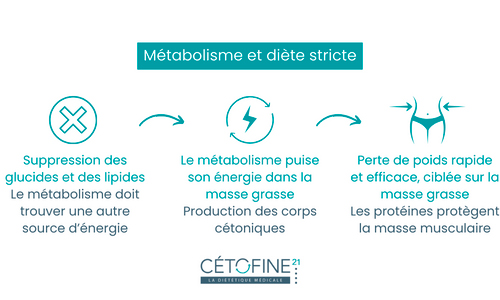
What is the impact of a high-protein diet on metabolism?
The near-total elimination of carbohydrates and lipids, combined with a substantial intake of high biological value proteins, forces the body to mobilize its fat reserves to provide energy. It is this metabolic modification that induces weight loss specifically concentrated on fat mass.
During this process, the digestion of pure proteins becomes the main source of calories for the body. Proteins are intensively metabolized, generating a thermogenic effect that stimulates energy expenditure. Moreover, the reduced insulin level, in the absence of carbohydrates, promotes the release of stored fats to be used as fuel: this is what we call ketogenesis.
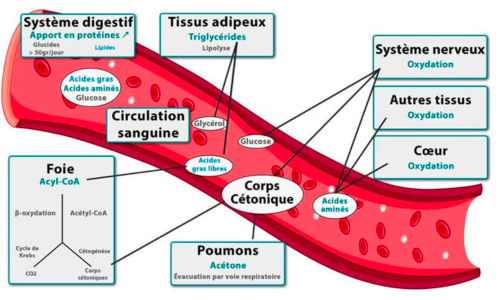
How does Ketogenesis occur and what role do ketone bodies play?
The depletion of glycogen reserves in muscles and liver, coupled with a low amount of carbohydrates consumed, triggers Ketogenesis. It takes about 48 hours to exhaust glycogen resources.
The liver mobilizes fat stores to generate energy. To do this, three ketone bodies, acetoacetate, β-D-hydroxybutyrate, and acetone, are produced in the liver. The first two serve as preferred energy sources, while acetone is expelled through the respiratory tract.
Why don't I feel fatigue during the high-protein diet?
The ketone bodies, generated by the liver to fuel the metabolism with energy, also possess the characteristic of being psychotonic (not causing fatigue) and anorexigenic (inducing a lack of hunger sensation and providing a feeling of satiety).
The importance of not giving up during phase 1
The liver uses fat reserves to generate energy, but this process can only be effective if carbohydrate intake remains below 30 grams per day. This is why it is imperative to refrain from consuming foods containing carbohydrates during the early stages of the protein diet.
The depletion of glycogen stores takes about two days. If you consume foods high in carbohydrates, you will lose two days of progress in the diet, as it will take this time to reactivate ketogenesis after the glycogen stores are depleted.
The impact of high-protein sachets on metabolism functioning
How does the metabolism regain dietary balance after a high-protein diet?
How does the reintroduction of food groups proceed after the strict protein diet?


Protein diet
Consumption of high-protein meal replacements only and allowed vegetables.
Mixed diet
Return to natural food proteins (meat, fish, dairy products...).
Transition
Return to a balanced breakfast with dairy products, bread, and fruits.
Stabilization
Return of all food groups including carbohydrates (starches at lunch).
At the end of the strict protein diet phase, the reintroduction of food groups is done in a precise and ordered manner during each phase.
The goal is to continue weight loss while gradually readapting your metabolism to a normal diet, aiming to restore dietary balance without experiencing the yo-yo effect, which is weight regain after rapid loss.
What are the benefits and considerations after a strict protein diet?
Weight loss during the strict protein diet is significant, even spectacular, potentially reaching up to -2.5 kilos per week. However, it is imperative to correctly complete the food reintroduction phases (transition phase and stabilization phase) to ensure the sustainability of results. Following a high-protein diet is effective, but the stabilization steps are essential for permanent weight loss.
What are the risks to metabolism of not implementing the transition and stabilization phases?
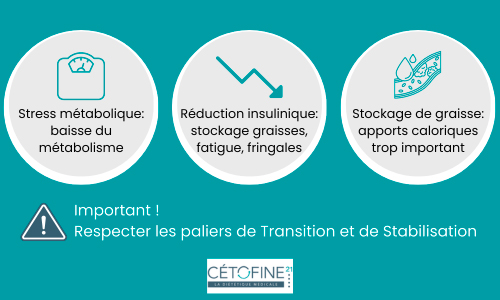
The rapid transition from a diet consisting solely of high-protein meal replacements to a regular diet overnight can present several risks for metabolism:
- Metabolic stress: The metabolism has adapted to a high-protein diet, and the sudden return to a normal diet can create metabolic stress leading to difficulties in maintaining weight loss
- Insulin reaction: When carbohydrates are reintroduced rapidly, it can cause a significant insulin response leading to increased fat storage, fatigue, and even cravings.
- Fat storage: The body may react to the sudden surplus of calories by storing more fat, especially if the transition is not managed in a balanced way.
If you don't want to regain all the weight you've lost, it's crucial to follow all the steps of the high-protein diet. The secret to avoiding the yo-yo effect is to follow all the stages of the high-protein diet.
Restoring metabolic balance after the high-protein diet
After the high-protein diet, it is crucial to restore the normal functioning of your metabolism to prevent weight fluctuations. This will require a balanced diet, providing the essential nutrients for its proper functioning (macronutrients: proteins, carbohydrates, lipids and micronutrients: vitamins and minerals). We also recommend engaging in physical activity to increase your metabolism.
To understand the weight loss associated with the high-protein diet, it is essential to grasp how metabolism works during this period. This helps identify the mechanisms that enable weight loss and understand the mechanisms for stabilizing this loss.
Feel free to contact us via our customer service if you have any questions about the high-protein diet, or explore our other resources dedicated to the subject. They are packed with essential information to help you fully prepare before starting your weight loss journey.