 En
En
 Français
 Español
 Italiano











How to stabilize your weight after a high-protein diet?
After following a high-protein diet to achieve their weight loss goals, many people face a new challenge: how to stabilize their weight long-term. In this article, we will address essential tips for stabilizing weight after a high-protein diet, focusing on a balanced approach, healthy eating habits, and effective management of physical activity.

Maintaining successful weight loss through a high-protein diet
Lose weight with a high-protein diet
The high-protein diet allows for rapid, effective weight loss and enables both men and women to lose weight quickly. The initial phases of the high-protein diet are therefore quite strict in order to achieve optimal results and allow for fat burning. The weight loss achieved will therefore be rapid, but it is necessary to go through stages of dietary rebalancing and stabilization in order to lose weight permanently and maintain post-diet weight.
Before exploring tips for stabilizing your weight, it's important to understand how your body works. After a high-protein diet, the body has undergone significant metabolic and hormonal changes. To avoid weight regain, it is crucial to maintain energy balance by adjusting caloric intake to your actual needs.
The importance of transition and stabilization phases to learn how to maintain weight
We have reworked the classic high-protein diet program that will allow you to adopt a balanced approach thanks to the final phases of the high-protein diet.
After rapid weight loss in phase 1 and 2, it will be very important to follow phases 3 and 4.
One of the keys to stabilizing your weight after a high-protein diet is to adopt a balanced approach to nutrition. A gradual transition to a more varied diet is essential. Gradually reintroduce fruits, vegetables, whole grains, and healthy sources of fats into your diet. This will help fill nutritional gaps and provide your body with the necessary elements to function optimally.
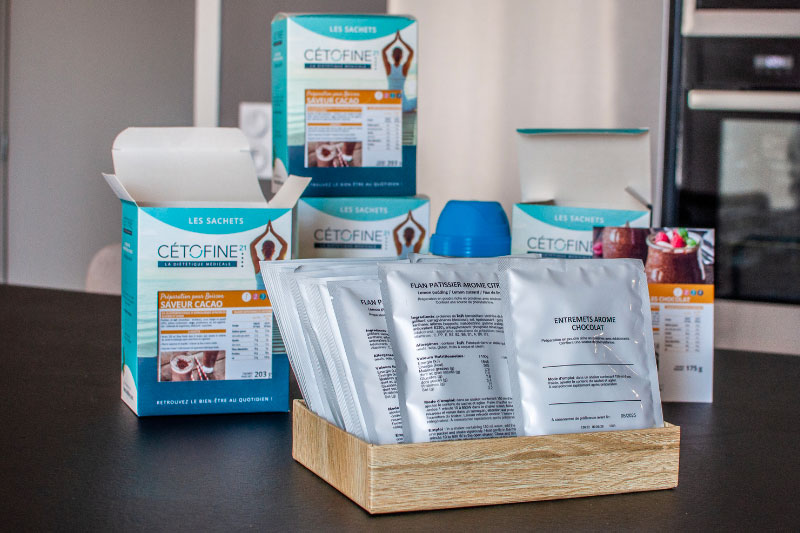
Phase 3, the Transition phase, with the reintroduction of breakfast with bread and fruit, is the first step toward stabilization. Weight loss is more moderate following the gradual increase in caloric intake but remains effective nonetheless.
Phase 4, the Stabilization phase, will reintroduce starches and will be your final step before returning to a balanced diet. Gradually, you will integrate all food groups into your daily diet. At the end of this phase, you are ready to eat normally.
But how do you stabilize your weight? How do you avoid regaining weight? You will need to pay attention to your daily energy balance, but what does that actually mean?
Energy balance and its importance in the high-protein diet
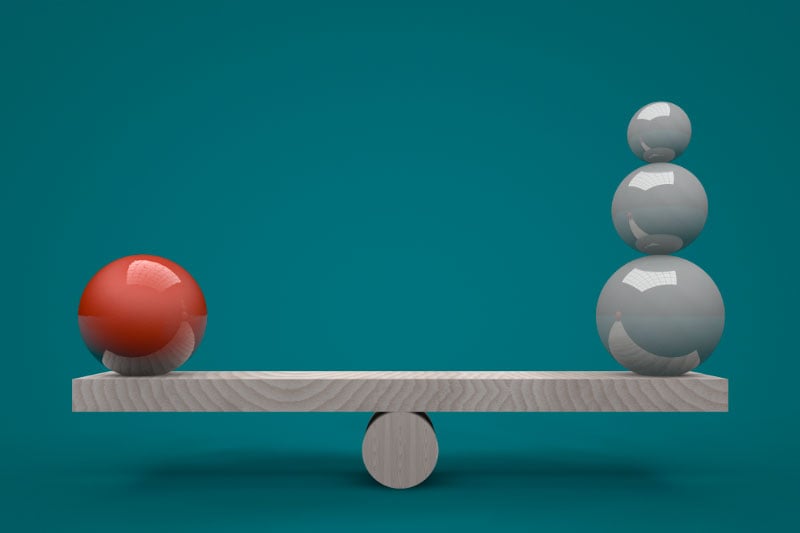
The energy balance is the difference between the energy you provide to your body (through food) and the energy expended (energy expenditure) during a day.
On average, a man needs about 2500kcal per day while a woman finds balance around 2000kcal. Of course, this information should be adapted according to your metabolism since everyone is different, does not consume calories in the same way, does not have the same physical activity, etc.
To help you count the calories you consume, know that:
-1g of protein represents 4kcal
-1g of carbohydrate represents 4kcal
-1g of fat represents 9kcal
-1g of ethanol (alcohol) represents 7kcal
The energy balance can be negative, balanced or positive.
When the energy balance is negative (you consume fewer calories than those you have expended) and over a prolonged period, you will lose weight. We use this logic in the high-protein diet by consuming the minimum possible calories, while preserving muscle mass through proteins.
When it is balanced, meaning you meet your energy needs without excess or deficiency, your weight is controlled and stable. This is what is sought after the stabilization phase of the high-protein diet.
The third possibility is to have a positive energy balance, meaning you consume more calories than you expend, which leads to weight gain.
For example, for 100g of Knacki Ball from Herta®, you consume about 267kcal (without sauces!). For a similar product at Cétofine 21, the cocktail sausages represent only 93.1kcal (almost 3 times less), enough to enjoy an aperitif without deprivation.
Now that you understand how the energy balance works, you will be able to stabilize your weight, stay in shape and enjoy eating good things.
How to stabilize your weight: our other tips and habits to adopt
Cultivate healthy eating habits
In addition to a balanced diet, it's important to cultivate healthy eating habits. Prioritize whole and unprocessed foods, rich in nutrients and fiber. Establish a regular meal routine, paying particular attention to satiety and listening to your hunger and fullness cues. Learn to manage cravings and food urges by opting for healthy alternatives and engaging in stress management techniques.
Maintain regular physical activity
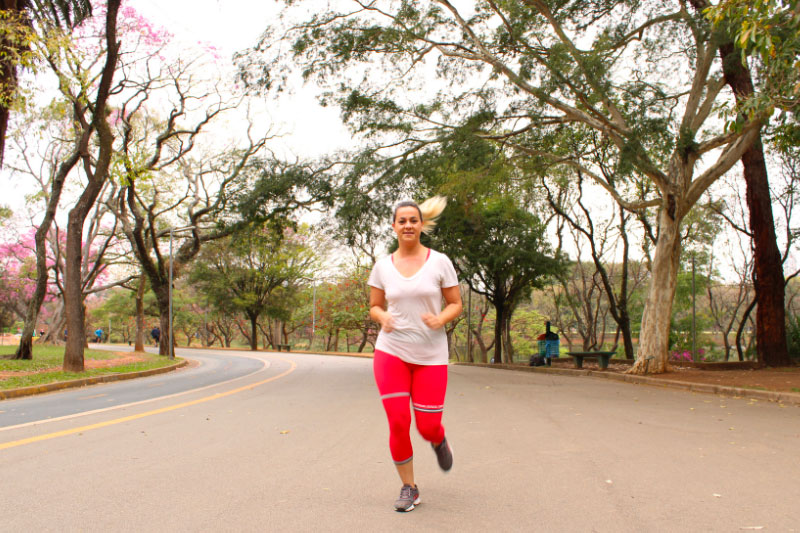
Physical activity plays a crucial role in weight stabilization after a high-protein diet. It helps to burn additional calories, strengthen muscles, and maintain an active metabolism. Choose physical activities that you enjoy and that easily fit into your schedule. The goal is to maintain regularity in your practice to promote energy expenditure and improve your overall well-being.
Here's a simple example to implement: walk 10,000 steps a day. This routine can be easily established by walking to work or avoiding using the car for short trips. Put some music in your ears and you'll see it's not that complicated.
Managing stress and emotions related to weight
Who hasn't felt the urge to snack when stress appears? Stress and emotions can influence our eating behavior and our relationship with food. Learn to manage stress in a healthy way by engaging in relaxing activities, such as meditation or walking. Good stress and emotion management contributes to maintaining emotional balance, which promotes weight stability.
Monitor your weight and adjust if necessary
First and foremost, keep in mind that normal weight fluctuation can occur and it is essential to be kind to yourself and remain flexible in your approach. Don't worry if you've gained a kilogram after a festive weekend. Now, you have all the tools at your disposal to adopt new eating habits and stabilize your weight: balanced diet, physical activity, understanding of energy balance, ...
Consume high-protein products to stabilize your new weight
If you feel that a lapse is inevitable and you want to avoid regaining weight, you can follow the one-day Booster program (but only for one day) where you will consume 5 high-protein sachets throughout the day.
Another solution, now that you know more about energy balance, you have all the tools to control your calorie intake. To help you, you can replace your regular snacks with high-protein and low-calorie snacks. Replace store-bought cookies that are too fatty or too sugary with low-calorie biscuits.
How to stabilize your weight after a high-protein diet, a real challenge, but with a balanced approach, healthy eating habits and effective management of physical activity, it is possible to maintain the results achieved. Don't forget that weight stability is an ongoing process that requires patience, perseverance and a focus on overall well-being. By adopting a holistic approach, you will be able to maintain your weight and live a healthy and balanced life in the long term.
If you have any other questions about how the high-protein diet works, please do not hesitate to contact us.
If you have any other questions about the high-protein diet or would like support during your weight loss journey, don't hesitate to contact our customer service at 05 79 87 01 40.


 What Is the Best Natural Appetite Suppressant for Weight Loss?
 How to Lose 33 Pounds (15 kg) Without Exercise, for Good
 Chrononutrition: Slim Down According to Your Biological Clock