 En
En
 Français
 Español
 Italiano













Diet and weight loss: the basics of a balanced diet
Losing weight or maintaining a healthy weight without feeling deprived isn't always easy. However, the good news is that food is your most powerful ally. In this article, we'll talk about something essential: how to eat in a balanced way to promote healthy and sustainable weight loss.
Our goal is to gently guide you through the basics of nutrition to help you feel better, gain energy and get closer to your wellness and weight loss goals, all with simplicity.
If you have just completed a high-protein diet to lose weight: you're in the right place. The final phases of the high-protein diet teach you how to adopt a more balanced diet. You'll find all our detailed advice in this article!
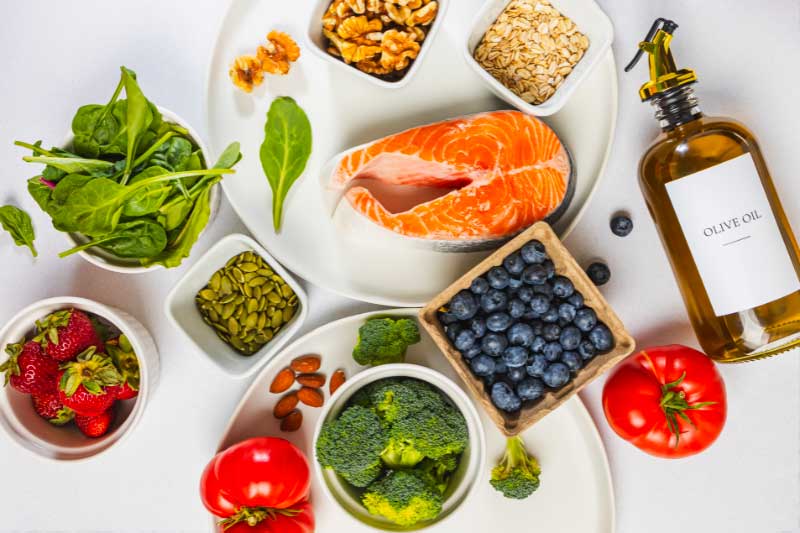
What does "eating a balanced diet" mean?
"Eating balanced," we hear it everywhere... But what does it really mean? Eating balanced is not just "eating 5 fruits and vegetables a day," it's about finding a dietary balance.
Rules for a balanced diet
A balanced diet to lose weight and feel good in your body involves following various nutritional rules that are simple to implement.
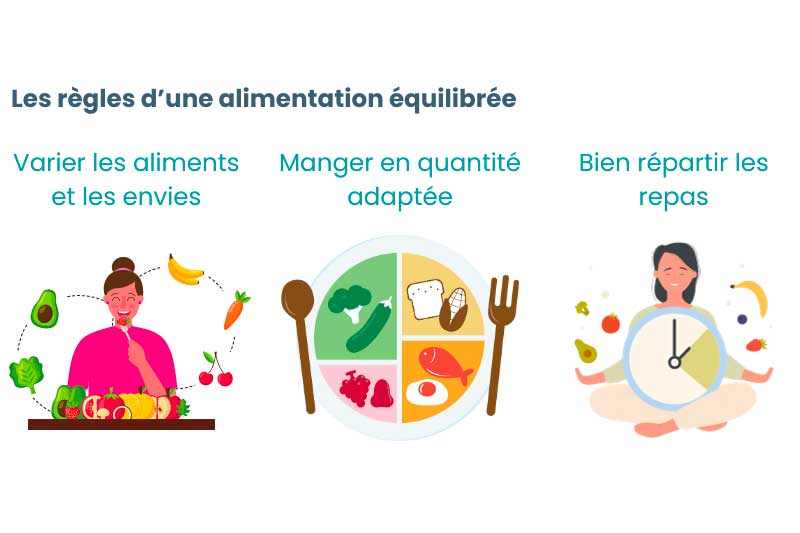
Rule 1: Vary your foods
A balanced diet consists of diversifying the foods you eat, while keeping portions under control. It's essential not to deprive yourself and to enjoy eating. Opt for a varied palette of colors, textures, and flavors on your plate. This means you can enjoy a wide variety of foods, including your personal favorites, while moderating portions.
Rule 2: Distribute meals properly
Meal distribution plays a crucial role. Try to have 3 to 5 meals per day, with 3 main meals (breakfast, lunch and dinner) and 1 to 2 snacks, namely one in the morning and/or one in the afternoon.
For your snacks, we recommend replacing your usual snacks (sometimes too sugary), with high-protein and low-calorie snacks. High-protein snacks are low in carbohydrates, contain few calories and will help you consume more protein. Proteins are the nutrients that take the longest to digest, which enhances the feeling of fullness. You will more easily wait for the next meal and avoid unnecessary snacking, the primary cause of weight gain.
Leave 4 to 5 hours between each meal (breakfast / lunch / dinner) at most. If you are hungry before, it means your meal was not complete enough. Conversely, if you are not hungry after 4 or 5 hours, it means you probably ate too much before.
Rule 3: Target high-quality nutrient-dense foods
When planning your meals, aim for quality. For breakfast and snacks, prioritize proteins, whether plant-based or animal-based. Opt for low glycemic index carbohydrates, such as whole grains, and make sure to consume a portion of fruit. Also include a source of healthy fats, such as omega-3s.
If you are not used to consuming animal or dairy proteins at breakfast or during your snacks, we invite you to discover high-protein drinks, protein cookies and protein bars. These protein alternatives are delicious, low in calories and contain high biological value proteins.
For lunch and dinner, maintain a balanced diet by choosing:
- Low glycemic index carbohydrates: such as whole grains and legumes, basmati rice, whole grain sourdough bread. Low glycemic index foods are digested slowly and provide a lasting feeling of fullness.
- Proteins, whether animal-based or plant-based
- Raw and/or cooked vegetables
- A fruit
- A dairy product
- A source of healthy fats, such as omega-3s.
Rule 4: Eat in appropriate quantities
Adjusting quantities is essential for maintaining a healthy weight. Caloric intake should be adjusted according to your individual needs, which take into account your basal metabolic rate and your level of physical activity.
For example, an athletic woman may need to consume between 2000 and 2200 calories per day to maintain her energy level, while a non-athletic woman will need only 1800 to 2000 calories per day. Beyond these intakes, you risk gaining weight.
In summary, a balanced diet should be varied, well-distributed in meals and snacks, of good quality in terms of nutrients, and adapted in quantity to meet your individual needs. These simple principles can help you maintain a healthy weight or lose weight and improve your overall well-being.
Understanding nutritional needs for balanced eating
The basic nutritional needs of our body are the foundation of our well-being and our ability to lose weight in a healthy and permanent way. Understanding these needs is essential for making informed decisions about nutrition.
Macronutrients
1. Carbohydrates: Carbohydrates are the main source of energy for our body. They are found in cereals, legumes, fruits, vegetables, and many other foods. Carbohydrates are essential for fueling our daily activities, including exercise. However, it's important to choose complex carbohydrates, such as whole grains, which provide a slow release of energy, avoiding spikes and drops in blood sugar.
2. Proteins: Proteins are the building blocks of our muscles, bones, and tissues. They are essential for body repair and growth. Protein sources include lean meat, fish, eggs, dairy products, legumes, and nuts. When you're trying to lose weight, make sure to include proteins in your diet to preserve your muscle mass.
3. Fats: Fats play a vital role in regulating many bodily functions, including the nervous system and skin health. Healthy fats are found in avocados, nuts, vegetable oils, fatty fish, and other sources. It's important to limit saturated fats (found in fried foods, fast foods, etc.) and favor unsaturated fats, such as omega-3s.
Determine the proportions of macronutrients to consume according to your goal:
Establishing the distribution of nutrients in your diet is essential for creating a specific and effective meal plan.
- To maintain your current weight or reach an ideal body weight, it is recommended to follow this macronutrient ratio: 45 to 65% carbohydrates, 20 to 35% fats, and 10 to 35% proteins.
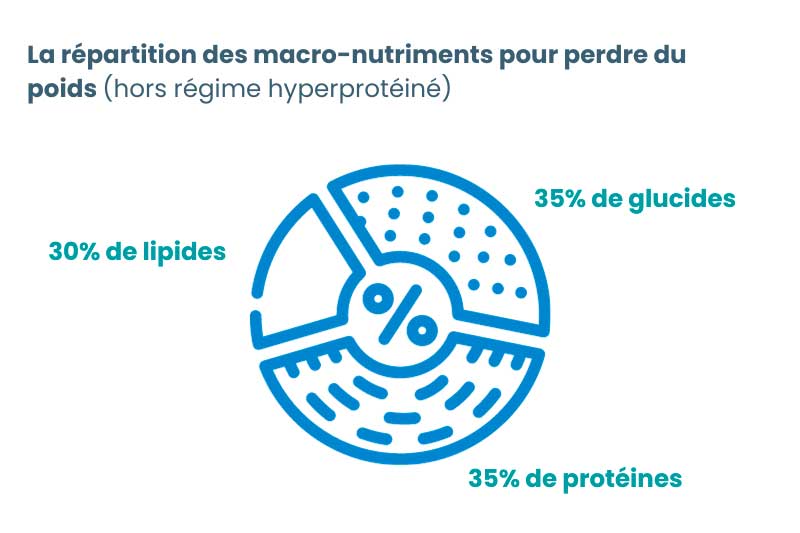
- If the goal is to lose weight, a ratio of 35% carbohydrates, 30% fats, and 35% proteins is recommended. These ratios can be adjusted up or down depending on the type of diet chosen. For example, in a high-protein diet, the ratio would be 10% carbohydrates, 25% fats, and 65% proteins.
Micronutrients
1. Vitamins: Vitamins, such as vitamin C, vitamin D, and B-complex vitamins, are essential for many bodily functions, including strengthening the immune system, regulating mood, and maintaining bone health. They can be found in a variety of foods, such as fruits, vegetables, dairy products, and fish.
2. Minerals: Minerals, such as calcium, iron, and magnesium, are necessary for maintaining strong bones, transporting oxygen in the body, and supporting many chemical reactions. Foods rich in minerals include dairy products, lean meat, green vegetables, and nuts.
The term "balanced diet" now takes on its full meaning...
A balanced diet ensures that you receive all the necessary nutrients to maintain your health while promoting weight loss. By understanding the importance of these macronutrients and micronutrients, you can create a diet that meets your needs.
For example, including protein in your meals will help you feel full for longer, which can reduce snacking. Protein can be found in foods or in meal replacements rich in high biological value proteins. Choosing foods rich in vitamins and minerals will provide you with the energy you need to stay active while taking care of your overall health.
In short, a balanced diet is a crucial step for permanent and healthy weight loss, as it provides the essential elements your body needs to function at its best, while helping you achieve your weight loss goals in a permanent way.
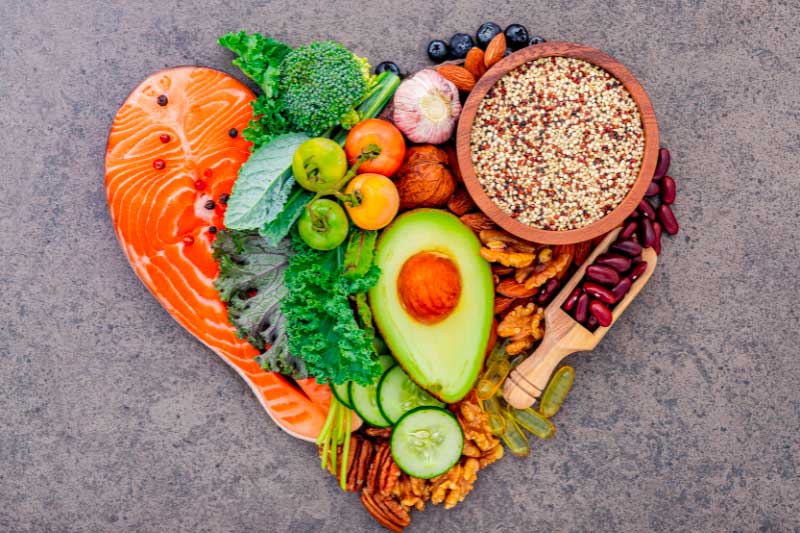
Now that you've grasped the basics of a balanced diet, we invite you to read our complementary article: "Diet and Weight Loss: What to Eat for a Balanced Diet?"
It's no longer about macronutrients and micronutrients, but we'll tell you more about the foods to favor and those to avoid for balanced eating and weight loss.
If you have any other questions about the high-protein diet or would like support during your weight loss journey, please don't hesitate to contact our customer service at 05 79 87 01 40.


 How to cook tofu: tips and tasty recipes
 List of plant proteins: the best slimming sources
 Succeeding at weight loss with a sugar-free week