 En
En
 Français
 Español
 Italiano












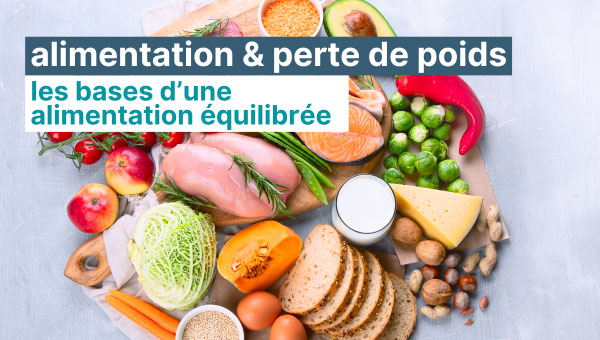
Diet and weight loss: what to eat for a balanced diet?
The continuation of our advice on balanced diet and weight loss
In our previous article, "Diet and weight loss: the basics of a balanced diet", we explored the essential basics to understand what a balanced diet is and how it can help you achieve your weight loss goals, but above all, your well-being. We discussed the fundamental rules of a balanced diet and the different nutrients the body needs.
Today, in this second part of our article, we will go further by offering you concrete ideas and practical advice to easily adopt a balanced diet. You will discover that a balanced diet does not mean depriving yourself, but rather making wise choices that nourish your body while helping you lose weight in a permanent way.

What to eat for a balanced diet?
Now that you know more about nutrient balance, it's time to talk specifically about the foods to prioritize and those to avoid for a balanced diet and to prevent weight gain.
Foods to prioritize for a balanced diet and weight maintenance
A balanced diet is based on the judicious choice of certain types of food. Each type of food contains a diverse range of nutrients. Here are some food categories you should prioritize to promote weight loss and improve your well-being:
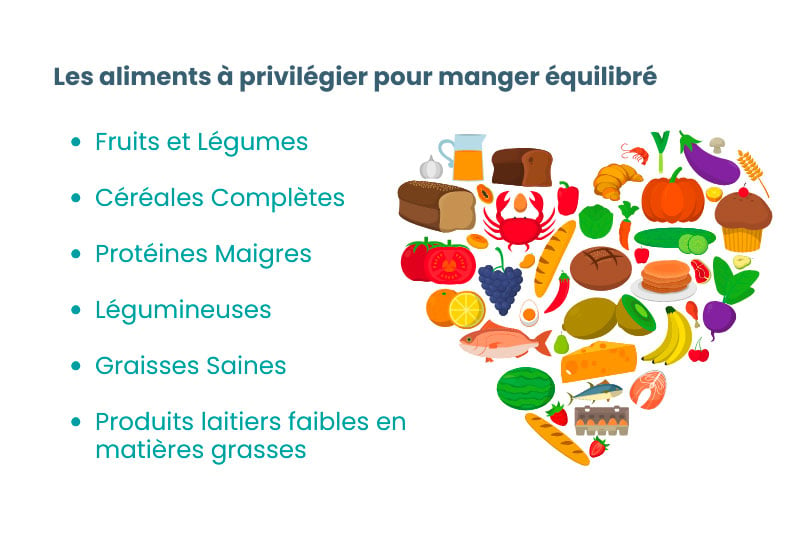
1. Fruits and Vegetables: Fruits and vegetables are rich in vitamins, minerals, fiber, and antioxidants. They add variety and color to your meals. Fruits and vegetables fill your plate and are low in calories. They form the basis of a balanced diet for weight loss. You can cook them in different ways, in a pan, in the oven, steamed, in soup, as a puree... Or eat them raw, with or without spices. The possibilities are endless.
Examples: spinach, carrots, bell peppers, apples, strawberries.
Tip: Try to fill half of your plate with vegetables at each meal.
2. Whole Grains: Whole grains are rich in fiber and help maintain a feeling of fullness for longer.
Examples: brown rice, quinoa, oatmeal, whole wheat pasta.
Tip: Avoid consuming too many classic white pasta. If you eat little protein, we invite you to discover high-protein pasta. This is a high-protein substitute, these pasta contain 60% protein (4 times more than in classic pasta) and 80% less carbohydrates than traditional pasta.
3. Lean Proteins: Proteins help maintain and develop muscle mass while helping you feel full, thus avoiding snacking urges. They help maintain and develop muscle mass, which is particularly important when you're trying to lose weight.
"Lean proteins" are foods that are high in protein but low in fat, especially bad fats (saturated). They are recommended because they help control the calories you eat while giving you important nutrients. These foods contribute to weight loss and a healthier overall diet. Lean proteins are not fat-free, but they contain less fat than other protein sources high in fat such as certain meats or dairy products.
Examples: grilled chicken, fish, eggs, tofu, black beans.
Tip: A good goal is to aim for lean proteins to represent about 20 to 30% of your daily caloric intake. This ensures that you get enough protein to maintain muscle mass and feel satiated.
4. Legumes: Legumes are rich in plant proteins, fiber, and essential nutrients. By adding legumes to your diet, you'll benefit from a quality source of plant proteins, fiber for better digestion, and a wide range of beneficial nutrients. This can also help reduce your meat consumption, which is good for your health and for the environment.
Examples: chickpeas, lentils, kidney beans.
Tip: They can be used to add texture and flavor to many dishes. For example, you can add them to your soups or mix them with other vegetables. Legumes blend well with spices!
Here are some recipe ideas: chickpea and cucumber salad, red lentil curry, coral lentil soup, homemade hummus, quinoa salad with roasted vegetables... The possibilities are countless and these are often inexpensive recipes to make, as they don't include meat!
5. Healthy Fats: Unsaturated fats, especially omega-3s, are important for heart health and brain function.
Examples: avocados, nuts, olive oil, salmon.
Tip: Cook more with olive oil and add a small spoonful of crushed nuts to your dishes to add a bit of crunch.
6. Low-Fat Dairy Products: Low-fat dairy products are a source of protein and calcium, an essential nutrient for bone health. Opting for low-fat dairy products allows you to benefit from the advantages of calcium while reducing your intake of saturated fats.
Examples: low-fat Greek yogurt, skim milk, low-fat cottage cheese.
Why are these types of foods important?
- Fruits and vegetables are rich in fiber and essential nutrients, promoting digestion and overall health.
- Whole grains provide slow-release energy, helping to maintain stable blood sugar levels.
- Lean proteins and legumes (high in protein) help maintain muscle mass and promote satiety.
- Healthy fats are essential for heart health and brain function.
- Low-fat dairy products provide calcium for bone health.
By incorporating these foods into your daily meals, you can create balanced plates that promote weight loss while ensuring your body receives the nutrients it needs to function optimally.
Foods to limit or avoid for a balanced diet
When you're looking to adopt a balanced diet and promote weight loss, it's also important to know which foods you should limit or avoid. These foods tend to be high in empty calories, added sugars, saturated fats, or sodium, which can hinder your weight loss goals, but more importantly, your health. Here are some examples of foods to watch out for:
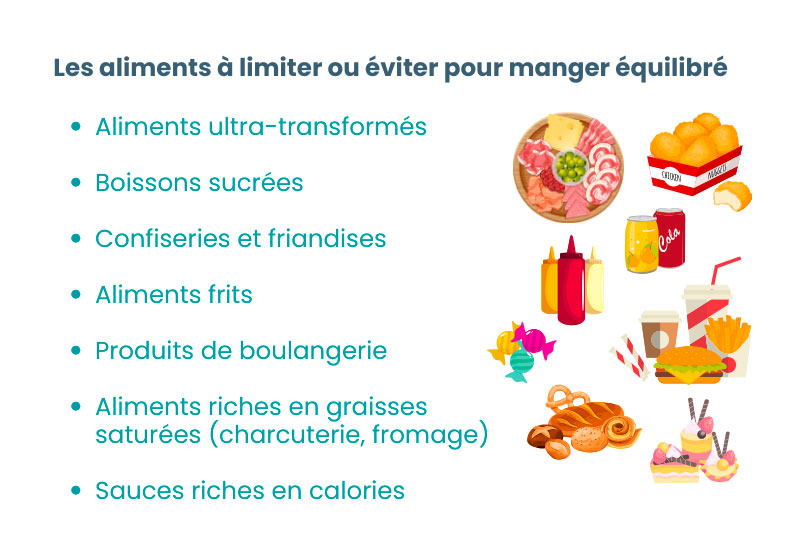
1. Ultra-processed foods: Highly processed foods, such as fast foods, packaged snacks, and ready meals, are often high in calories, unhealthy fats, and added sugars. They are generally low in essential nutrients.
Tip: You can replace store-bought snacks with high-protein snacks. Protein cookies or protein bars are low in calories and will help increase your protein intake.
2. Sugary drinks: Sodas, energy drinks, sweetened fruit juices, and soft drinks are loaded with added sugars that can contribute to increased calorie intake without providing nutritional benefits.
Tip: We recommend eating fruits if you crave fruit juice or making it yourself. You can also consume high-protein drinks with fruity flavors that are low in calories. These drinks will give you the impression of consuming a sweet beverage, with fewer calories!
3. Confectionery and sweets: Candies, cakes, cookies, and other sweets are high in sugars and unhealthy fats. They are often low in nutrients, making them poorly suited for a balanced diet. It's best to avoid consuming them, even if at times, they are tempting...
We still remind you that adopting a balanced diet does not mean depriving yourself of everything that brings you pleasure, you just need to avoid consuming it too regularly.
4. Fried foods: Fried foods, such as french fries and donuts, are high in saturated fats and calories. Frying adds empty calories and unhealthy fats to your diet.
5. Bakery products: Pastries, cakes, and white bread are generally high in added sugars and refined flours, which can lead to blood sugar spikes and increased hunger.
6. Foods high in saturated fats: Foods high in saturated fats, such as fatty meats, processed meats, high-fat cheese, and full-fat dairy products, should be consumed in moderation. They are not to be avoided but simply limited.
7. High-calorie sauces: Thick, calorie-rich sauces, like mayonnaise and cream-based sauces, often add unnecessary calories to your meals. Opt for lighter versions or healthier alternatives that can still add flavor to your meals.
By limiting or avoiding these foods, you can reduce your calorie intake, improve the quality of your diet, and promote your weight loss goal, while taking care of your overall health. This doesn't mean you have to eliminate them completely, but consuming them in moderation is recommended to maintain nutritional balance and lose weight!
The concept of portions and moderation to prevent weight gain
A simple way to ensure nutritional balance on your plate is to follow a food distribution model. A common example is to divide your plate into portions for each food group. Here's how it works:
-
Half of the plate for vegetables: Fill half of your plate with a variety of vegetables. Vegetables are rich in fiber, vitamins, and essential minerals. They add color, texture, and flavor to your meal while providing few calories.
-
A quarter of the plate for starches: Allocate a quarter of your plate to starches, such as whole grains (brown rice, quinoa, whole grain pasta), starchy vegetables (sweet potatoes, yams), or legumes (lentils, chickpeas). Starches are an important source of slow-release energy.
-
A quarter of the plate for protein: Use another quarter of the plate for protein. You can choose between animal proteins, such as chicken, fish, or plant-based proteins, such as tofu or legumes. Proteins help with satiety and preservation of muscle mass.
Once your plate is composed, you can complete your meal by adding a fruit and a low-fat dairy product. Fruits provide vitamins, antioxidants, and natural sweetness to your meal.
This way of organizing your plate ensures a nutritional balance. This model allows you to control the portions you will eat. It also promotes satiety, which can help you avoid overeating and maintain your ideal weight or lose weight. With this approach, you can enjoy balanced meals while working towards your wellness and weight loss goals.
Last tip, drink water as much as you like! Don't forget to stay hydrated by drinking water throughout the meal. Sometimes thirst is mistaken for hunger, so drinking enough water can help you eat in moderation.

If you are not used to consuming a lot of protein, you can add high-protein products to your diet. Initially, these high-protein products are consumed as part of a weight loss diet because they are low-calorie (contain very few calories).
However, you can also consume them to increase your protein intake, control your caloric intake and benefit from the satiety effect provided by proteins.
In conclusion, adopting a balanced diet to promote weight loss and wellness relies on wise choices. Favor fruits, vegetables, whole grains, lean proteins, legumes, healthy fats and low-fat dairy products.
Limit ultra-processed foods, sugary drinks, sweets, fried foods and products high in saturated fats. Additionally, follow portion distribution to ensure the nutritional balance of each meal.
By incorporating these simple tips, you can enjoy delicious meals while working towards your wellness and weight loss goals. Cétofine 21 wishes you bon appétit!
If you wish to consult the first part of this article: "Diet and Weight Loss: The Basics of a Balanced Diet", click here.
If you have any other questions about the high-protein diet or if you would like support during your weight loss journey, please don't hesitate to contact our customer service at 05 79 87 01 40.

 15 foods to help you lose belly fat effectively
 How can you effectively lose 2 kilograms in 1 week?
 What should you eat for dinner to lose weight? Our tips and 14 light meal ideas