 En
En
 Français
 Español
 Italiano












Managing your pregnancy weight gain with complete peace of mind
The key takeaway: your ideal weight gain depends on your initial BMI, ranging from 5 to 18 kg to ensure fetal development. Controlled weight gain prevents gestational diabetes and protects the baby's brain development. Note that 26% of this weight consists of vital energy reserves for you and your future child.
Weight gain during pregnancy is a normal physiological process that ensures the proper development of your child and the building of your energy reserves. Based on your initial body mass index, medical recommendations generally call for a total gain of between 5 and 18 kilograms to ensure a serene maternity.
However, it is common to worry about changes in your figure or to fear not getting your figure back after childbirth. We will review the distribution of these kilograms and the daily habits to adopt to manage your weight while preserving your health and your baby's.
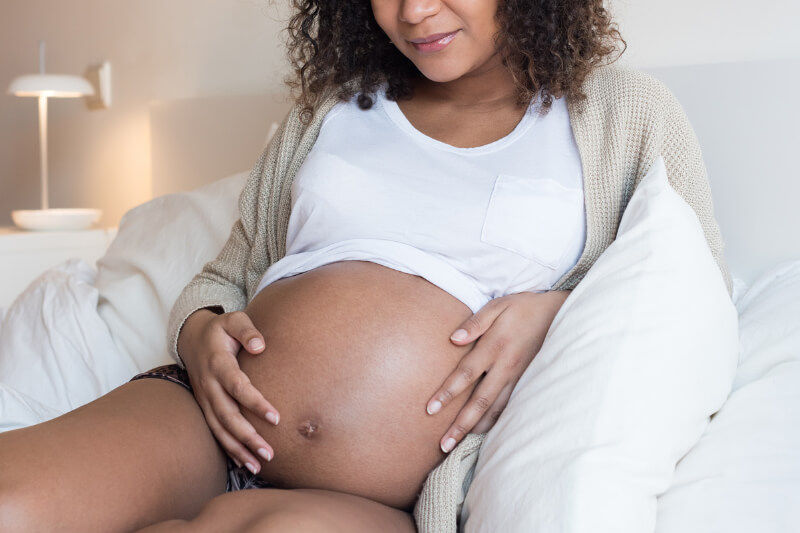
What is the ideal pregnancy weight gain for you?
A weight gain of between 11 and 16 kg is recommended for a normal BMI. This gain ensures the development of the fetus and placenta without metabolic risks. Strict monitoring of the body mass index guides these specific needs.
In fact, understanding this weight evolution allows you to approach this period with serenity, far from societal pressures but close to your real physiological needs.
Weight gain recommendations based on your BMI
Know that the kilograms to be gained vary according to your initial body type. For a low BMI, aim for 12 to 18 kg. Overweight profiles will limit the increase to 7–11 kg.
Let us now detail the physiological distribution of weight. The baby weighs approximately 3.5 kg at term. Add the placenta, amniotic fluid, and uterus. Your own reserves complete this necessary total.
It is useful to monitor your figure without stress.
To learn more, read our article on hormonal weight management throughout life's stages.
The real risks of a restrictive diet for your child
However, voluntary caloric restriction is dangerous during gestation. Your child needs constant nutrients for their brain. A severe deficit can lead to serious intrauterine growth restriction.
Vitamin and mineral deficiencies also impact your own maternal health. You risk intense fatigue or anemia. The absolute priority remains the vitality of your future baby.
Remember that a caloric deficit does not apply here, as your body must nourish a life.
Weight gain during pregnancy is a sign of good health.
Daily habits for a serene maternity
Beyond the numbers, your well-being comes from simple habits and high-quality nutrition every day.
Prioritize nutritional quality over empty calories
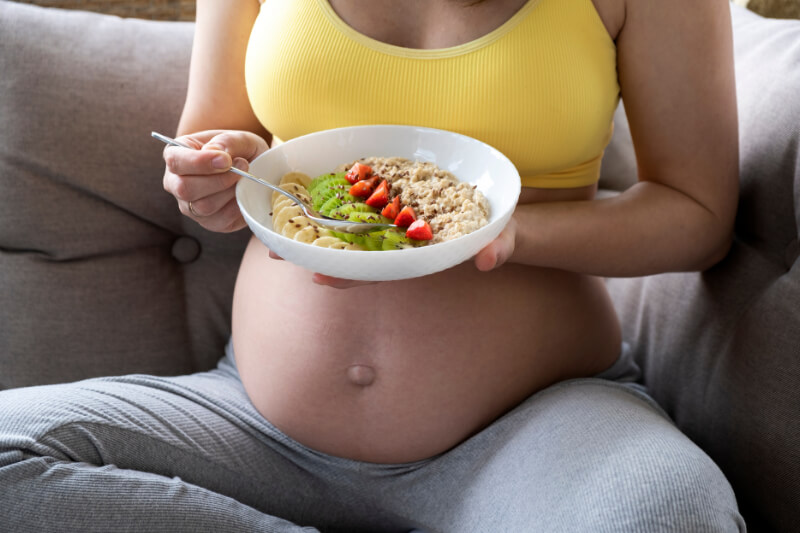
Choose nutrient-dense foods such as green vegetables and whole grains. Avoid refined sugars that cause insulin spikes. Your body needs stability to function properly.
Prioritize these essential nutrients:
- Lean proteins for tissues.
- Fiber for digestion.
- Healthy fats for the nervous system.
A balanced plate reduces uncontrollable cravings. It is essential to maintain a balanced diet for your vitality and your baby's.
Maintaining gentle and regular physical activity
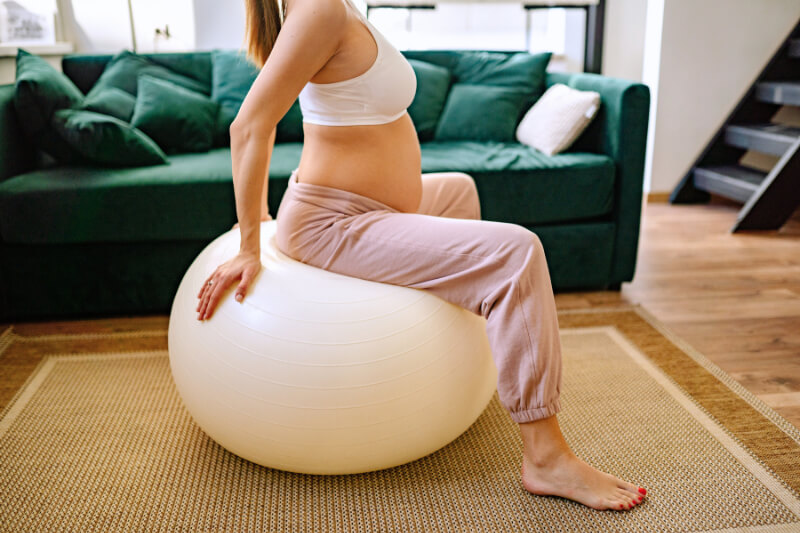
Daily walking effectively stimulates your blood circulation. Swimming relieves your joints thanks to weightlessness. These moderate exercises preserve your muscle tone without excessive breathlessness. Always listen to your body's signals during physical effort.
Moving also improves your mood during these nine months. Exercise helps regulate blood sugar levels. It is a fundamental pillar for healthy weight management.
Keep a consistent routine but never push yourself. Enjoyment should remain your main guide during your workout sessions.
Get back in shape with the Cétofine 21 method
Once your delivery is over and breastfeeding has ended, you can consider an effective solution to shed the extra kilograms.
A structured method in 4 steps to lose weight fast
The Cétofine 21 program is based on a logical and safe progression. You begin with an active phase to trigger ketosis. This step directly targets your fat reserves.
Our slimming kits make daily life easier for the busy new mother. The sachets are ready in just a few minutes. You enjoy a variety of flavors without counting every calorie. Simplicity is the key to your future success.
| Step | Goal | Typical content |
|---|---|---|
|
Step 1 |
Protein diet: rapid loss |
Exclusive sachets and vegetables |
|
Step 2 |
Mixed diet: gentler loss |
Reintroduction of a real meal |
|
Step 3 |
Transition: rebalancing |
Progressive reintroduction of carbohydrates |
|
Step 4 |
Stabilization: permanent maintenance |
Learning good habits |
| Step |
Step 1 |
|---|---|
| Goal |
Protein diet: rapid loss |
| Typical content |
Exclusive sachets and vegetables |
| Step |
Step 2 |
|---|---|
| Goal |
Mixed diet: gentler loss |
| Typical content |
Reintroduction of a real meal |
| Step |
Step 3 |
|---|---|
| Goal |
Transition: rebalancing |
| Typical content |
Progressive reintroduction of carbohydrates |
| Step |
Step 4 |
|---|---|
| Goal |
Stabilization: permanent maintenance |
| Typical content |
Learning good habits |
The importance of high biological value proteins
We exclusively use premium-quality milk proteins. Their chemical score exceeds 100 for maximum effectiveness. This high biological value guarantees perfect absorption by the body.
This intake protects your muscle mass during weight loss. Your figure is reshaped without the usual fatigue effect. It is therefore essential to properly manage the protein dosage.
Satiety is immediate thanks to the nutritional density of our products. You lose weight sustainably without feeling hungry. That is the strength of the Cétofine 21 expertise.
Guarantee a permanent balance without the yo-yo effect
True success lies not only in the loss, but in your ability to maintain this new weight.
Successfully managing your dietary transition to avoid regaining weight
The transition phase reintroduces carbohydrates very gradually. This mechanism prevents the body from suddenly storing fat. Your metabolism adapts gently to the change.
In fact, this step is the key to a successful weight stabilization after dieting. It allows your brain to regulate appetite without frustration. This is how you avoid the trap of caloric rebound.
You learn to compose your plates for the future. This nutritional education is the ultimate safeguard against the yo-yo effect. The method thus ensures a lasting and reassuring result.
Benefit from expert and caring support
Our nutrition advisors guide you at every step of the journey. The French laboratory Cétofine 21 puts its medical expertise at your service. Enjoy personalized follow-up to answer all your questions. You are never alone in your journey.
More than 30,000 clients have already trusted us since 1996. Our rating of 4.8/5 reflects our total commitment. Your satisfaction is our absolute priority every day.
However, don't forget the importance of medical follow-up during your slimming journey. It is the guarantee of optimal safety for your health.
Adapt your diet to your BMI to secure your baby's development while staying active. A serene management of your pregnancy weight gain prevents complications and facilitates your future recovery. Take care of yourself now to welcome life with radiant vitality.
FAQ
Is it possible to follow a diet to lose weight during my pregnancy?
No, it is strongly discouraged. Caloric restriction can lead to deficiencies, intense fatigue and a risk of intrauterine growth retardation. The goal is to stabilize your weight gain with a quality diet; if you have any concerns, speak to a healthcare professional.
What is considered a normal weight gain according to my profile?
It all depends on your BMI before conception: 11.5 to 16 kg for a normal BMI, 7 to 11.5 kg in case of overweight, 5 to 9 kg in case of obesity. This weight is distributed between the baby, the placenta, the amniotic fluid and blood volume: it is a natural and necessary process.
What are the real risks if I don't eat enough during these nine months?
Severe restriction produces ketone bodies that cross the placenta and can harm the baby's brain development. For you: increased dizziness, nausea and fatigue. Instead, split your meals into 5 or 6 small portions to keep your blood sugar stable.
When can I start a slimming program after giving birth?
Not right away: your body needs energy to recover and breastfeed, and weight loss begins naturally after birth. Once breastfeeding is over, you can follow a structured method like Cétofine 21 and its 4-step program, designed for new mothers.
How can you avoid gaining too much weight without depriving yourself?
Focus on quality: green vegetables, lean proteins, whole grains, and limit refined sugars that cause cravings. Add gentle activity (walking, swimming), eat "twice as well", not "for two".

 What Is the Best Natural Appetite Suppressant for Weight Loss?
 How to Lose 33 Pounds (15 kg) Without Exercise, for Good
 Chrononutrition: Slim Down According to Your Biological Clock