 En
En
 Français
 Español
 Italiano













What is the difference between a ketogenic diet and a high-protein diet?
Through this article, we will explain what differentiates the ketogenic diet from the high-protein diet. Both of these diets will allow you to lose weight quickly, but certain aspects differentiate these diets.
Go on a diet to lose weight
The ketogenic diet and the high-protein diet have quickly established themselves as widely adopted options for people looking to lose weight quickly and easily. In an era where the pursuit of a slimmer figure and the adoption of a healthy lifestyle have become major concerns, it is essential to understand the nuances and particularities of these two diets.
The ketogenic diet, often called "keto", characterized by its drastic reduction in carbohydrates and its focus on increased fat consumption, has generated considerable enthusiasm.
Meanwhile, the high-protein diet, which emphasizes a high protein intake and a limitation of carbohydrates, has also captured the attention of people looking for effective weight loss methods.
But then how do these diets allow you to lose weight? How long should you follow a diet? What are the advantages and disadvantages of these diets? What are the major differences between the ketogenic diet and the high-protein diet?
Understanding the fundamental principles of each of these diets will help clarify their impacts on the body, thus facilitating the choice of the one that aligns most effectively with your personal goals.
Ketogenic diet and high-protein diet, what are the differences?
What is the ketogenic diet?
How does a ketogenic diet work?
A ketogenic diet works for weight loss by changing the way your body produces energy. By drastically reducing your carbohydrate intake and increasing your fat consumption, you force your body to enter a state of ketosis. In this state, your body primarily burns stored fat for energy, which can lead to significant weight loss.
When following a ketogenic diet, your nutrition primarily focuses on healthy fats (lipids), moderate proteins, and limited carbohydrate consumption.
How long does a ketogenic diet last for weight loss?
The recommended duration of a ketogenic diet for weight loss varies depending on several factors, including the amount of weight you want to lose, your personal goals, your overall health, and how your body responds to the diet.
Some choose to follow a ketogenic diet for a few weeks to a few months to lose weight quickly before a special event or simply to regain a slimmer body. Others may choose to maintain this diet over a longer period, adopting a more moderate approach to allow for a more balanced diet while maintaining a state of ketosis.
What is the high-protein diet?
How does the high-protein diet work?
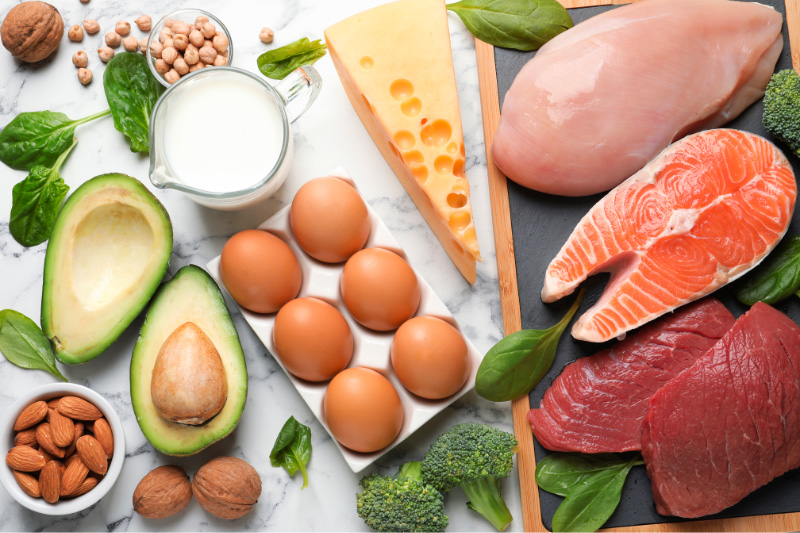
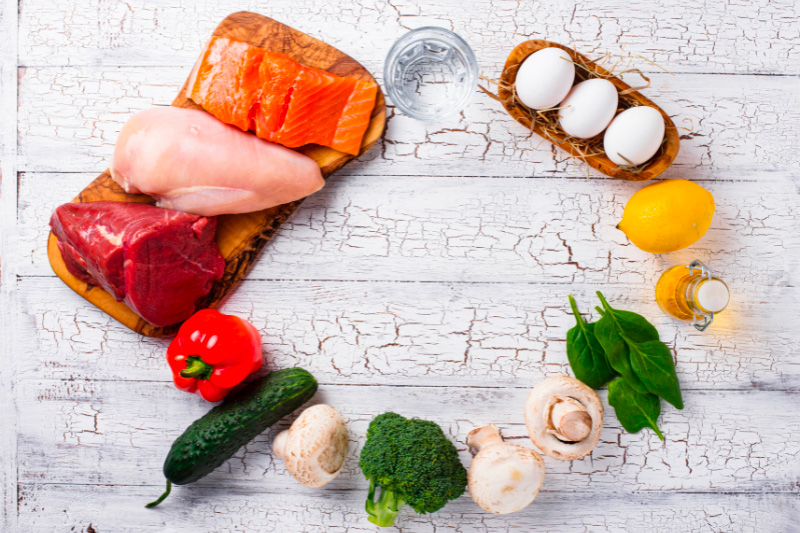
The high-protein diet is based on high protein consumption at the expense of fats and carbohydrates. Depriving your body of carbohydrates and fats enables rapid and effective weight loss. Protein consumption helps preserve your muscle mass. Weight loss is therefore targeted exclusively at your fat mass. Proteins also help ensure a feeling of satiety and a boost of energy during the diet.
The Cétofine 21 high-protein diet consists of 4 phases. The first 2 phases promote weight loss by bringing your body into a state of ketosis (carbohydrate deprivation) and 2 other phases help you adopt new eating habits. This way, you will lose weight while avoiding the yo-yo effect all too often experienced following certain diets.
If you would like to learn more about this topic, we recommend consulting our article on how the protein diet works.
How long does a high-protein diet last to lose weight?
The duration of a high-protein diet depends on your weight loss goal. When you start a high-protein diet, we invite you to set an achievable, clear, and precise weight loss goal. Indeed, the duration of each phase is determined based on your progress toward achieving your goal.
For example, if you want to lose 10 kilos, you will follow:
-
The strict diet program (Phase 1) until you have reached 70% of your weight loss goal, meaning a loss of 7 kilos.
-
The moderate diet program (Phase 2) until you have reached 80% of your weight loss goal, meaning a total loss of 8 kilos.
-
The transition program (Phase 3) until you have reached 90% of your weight loss goal, meaning a total loss of 9 kilos.
-
The stabilization program (Phase 4) until you have reached 100% of your weight loss goal, meaning the achievement of your objective: losing 10 kilos.
To give you an idea, our weight loss kit to lose 10 kilos invites you to follow the high-protein diet for 1 and a half months, or 45 days. Phase 1, which allows you to reach 70% of your weight loss goal, lasts approximately 3 weeks.
The weight loss period focuses on the first two phases of the diet. However, the high-protein diet includes two transition and stabilization phases to avoid shocking your body when returning to normal eating. The goal is to avoid weight regain following the diet.


Strict diet
To be followed until you have reached 70% of your weight loss goal
Moderate diet
To be followed until you have reached 80% of your weight loss goal
Transition
To be followed until you have reached 90% of your weight loss goal
Stabilization
To be followed until you have reached 100% of your weight loss goal
Lose weight through ketosis
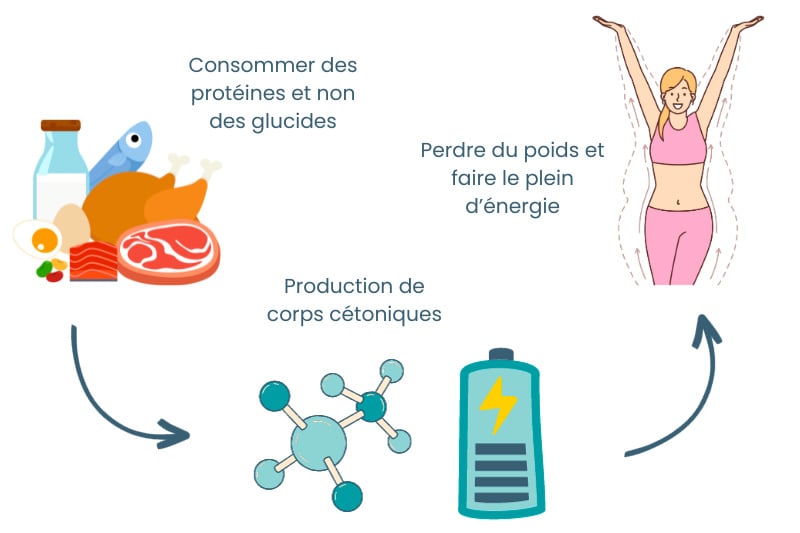
Whether it's the ketogenic diet or the high-protein diet, weight loss will be triggered when your body enters a state of ketosis. Indeed, in both of these diets, you will drastically reduce your carbohydrate intake.
In a ketogenic diet, you will consume more fats (lipids), while in a high-protein diet, you will consume more proteins.
Cetofine 21 simply explains to you what ketosis is and its impact on your body and metabolism.
What is ketosis?
When you eat food, your body gets energy by converting it into small particles called "glucose", which mainly come from carbohydrate-rich foods like bread and pasta. However, when you eat very few of these carb-rich foods, your body doesn't have enough glucose to get all its energy.
This is where the state of ketosis comes into play. When your body lacks glucose, it starts to use stored fats in your body as a source of energy. When fats are broken down, they form molecules called "ketones". These ketones are like an alternative fuel that your body can use instead of glucose to get energy.
So, the state of ketosis is essentially when your body changes its way of functioning by switching from using glucose to using ketones for energy. This can occur when you follow a very low-carb diet, such as the ketogenic diet or high-protein diet.
What are the advantages and disadvantages of ketosis?
The state of ketosis causes your metabolism to function differently. Putting your body into a state of ketosis has advantages and disadvantages that we explain below.
Benefits of the ketosis state:
1. Weight loss: One of the most commonly cited benefits of the ketosis state is weight loss. By using fats as the primary source of energy, the body burns fat reserves, which can lead to significant weight loss. As part of a high-protein diet, proteins help protect your muscle mass during weight loss. Thus, weight loss is targeted only on fat mass.
2. Blood sugar stability: Since the ketogenic or high-protein diet limits carbohydrate intake, it can help stabilize blood sugar levels, which is beneficial for people with type 2 diabetes. In this case, the ketogenic diet is more seen as a long-term dietary approach in case of health issues.
3. Increased satiety: The fats and proteins consumed as part of the ketosis state can help you feel full longer, which can contribute to reduced appetite. This benefit is even more noticeable when you follow a high-protein diet since proteins are nutrients that take longer to digest and are therefore more satiating.
4. Improved mental clarity: Some people report better focus and increased mental clarity when in ketosis. Ketones can serve as fuel for the brain in a different way than glucose.
Disadvantages of the ketosis state:
1. Keto flu: At the beginning of adopting the ketogenic diet, some people may experience "keto flu" symptoms such as fatigue, headaches, irritability, and nausea during the adaptation period. As part of the high-protein diet, we recommend 5 to 6 protein-rich meals a day to avoid feeling fatigue and hunger that can irritate your mood.
2. Dietary restriction: Both the ketogenic diet and the high-protein diet are very restrictive in terms of carbohydrates, which can make it difficult to choose varied and balanced foods. Indeed, if you're following a ketogenic diet for weight loss, it's more of a lifestyle than a fixed-term diet. In the context of a high-protein diet, you will adopt a specific meal plan during each stage of the diet. You can lose up to 8 kilos (17.6 pounds) per month.
3. Effects on digestion: Reducing fiber from carbohydrates can sometimes lead to digestive issues and constipation. This is why we recommend consuming plenty of fiber-rich vegetables when following a ketogenic or high-protein diet.
It is important to note that the advantages and disadvantages of the state of ketosis may vary from person to person depending on factors such as health, lifestyle, and personal goals.
In conclusion, the ketogenic diet and the high-protein diet work on the same principle: weight loss is triggered by the state of ketosis. The main difference between these two diets is that the ketogenic diet promotes fat consumption while the high-protein diet promotes protein consumption.
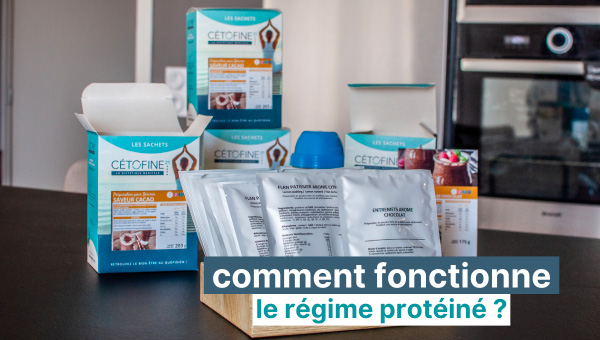
Proteins have the advantage of protecting your muscle mass during weight loss and preventing hunger or fatigue. The Cétofine 21 high-protein diet method is based on consuming high-protein sachets that are low in calories to lose weight quickly and easily. Following the high-protein diet, it is important to adopt new, more balanced eating habits to maintain weight loss.
If you have other questions about the high-protein diet or would like support during your weight loss journey, don't hesitate to contact our customer service at 05 79 87 01 40.
 How to cook tofu: tips and tasty recipes
 What diet menu to effectively lose 10 kilos?
 Succeeding at weight loss with a sugar-free week