 En
En
 Français
 Español
 Italiano









Exercise during the high-protein diet
Practicing physical activity during your high-protein diet is beneficial, as it allows you to feel good in your mind and body, but also to target your weight loss and thus, lose weight more effectively. We will see in this article which sports to practice and at which stages of the high-protein diet.
Diet, ketogenesis and sport
You're starting a high-protein diet to lose weight and you're wondering if you can or should exercise during this diet. In this article, we'll explain how to combine diet, ketosis, and exercise.
Here are some tips for effectively combining exercise and a high-protein diet.
The high-protein diet and the principle of ketogenesis
The high-protein diet method is based on a simple principle: minimize the consumption of carbohydrates and fats (low-calorie diet) and consume large amounts of protein. Protein helps avoid the side effects of a classic ketogenic diet: hunger, fatigue, etc. Protein also helps protect and maintain your muscle mass.
During a high-protein and low-calorie diet, the metabolism must function differently. The body seeks alternative energy sources to compensate for the caloric deficit. When glucose (carbohydrate) stores in the body are depleted, it enters a metabolic state called ketosis. The state of ketosis is particularly sought after in phase 1 of the high-protein diet, the strict protein diet.
Ketogenesis is the biochemical process by which the body produces ketones from fatty acids. Normally, carbohydrates are the body's main source of energy. This is why we consume carbohydrates before exercising: to have energy. When carbohydrate intake is reduced, the body begins to break down stored fats to use them as an energy source.
Here is how the ketogenesis process works:
- Step 1: Reducing carbohydrate intake: During a low-calorie diet, carbohydrate intake is limited. This forces the body to use other energy sources.
- Step 2: Fat breakdown: In the absence of carbohydrates, the body begins to break down fats stored in fat cells through a process called lipolysis. The released fatty acids are transported to the liver.
- Step 3: Ketone production: In the liver, fatty acids are converted into ketones through a process called ketogenesis. The ketones produced are mainly acetoacetate, beta-hydroxybutyrate, and acetone.
- Step 4: Using ketones as an energy source: Ketones can cross the blood-brain barrier and be used as an energy source by the brain when glucose levels are low. Ketones can also be used by other tissues and organs in the body to provide energy.
Ketogenesis can take some time to establish, usually a few days, as the body must adapt to using fats as its main energy source. During this period, some people may experience temporary side effects such as fatigue, headaches, or nausea. Protein will help you feel less tired. Once ketogenesis is established, you will feel fit.
Can I exercise during my protein diet?
Physical activity is possible throughout the diet, even during the strict protein diet, the stage during which your body enters ketogenesis. During Stage 1, you should avoid intense physical activity if you feel tired, but Gerimax (a vitamin and nutrient supplement) and ketogenesis should preserve your energy.
Following a diet coupled with physical activity is recommended, but it's important to choose your sport wisely and avoid overly intense efforts to benefit from quality weight loss.
Indeed, the attack phase of the diet involves a strict protein diet, aiming for rapid weight loss of fat mass while protecting muscle mass. To achieve this result, carbohydrate and calorie intake is very low, and intense and regular sports practice may sometimes be discouraged in case of fatigue.
Fats, sugars, starches, and overly rich foods that increase your calorie intake are avoided to lose weight quickly. Your low calorie intake is very important for weight loss, but it's also why you may sometimes feel tired. During these times, intense sports activities are not recommended. You can still maintain light physical activity: 20 minutes of walking per day, for example.
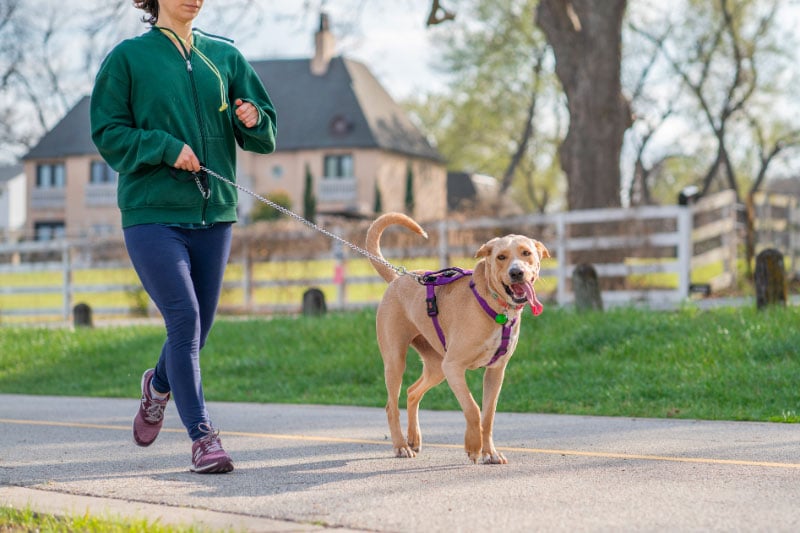
In conclusion, you can exercise during your high-protein diet but you should be careful to adapt physical activity to your health. Avoid too intense efforts during the first stage of the diet, when your body is in a state of ketosis.
What sport to practice during a high-protein diet?
As explained previously, during the first stage, the strict protein diet, we recommend avoiding too intense physical efforts. However, you can walk or do a little cycling. Listen to your body.
In the following phases of the protein diet (mitigated diet where you have a meal of dietary proteins, transition phase and stabilization phase), practicing a sport is recommended: running, swimming, cycling, weight training, ...
The high protein intake should limit hunger (natural feeling of satiety) and fatigue, thus allowing physical activity without too many constraints. However, you should make sure to choose a sport that is compatible with your diet and does not exhaust you too much. To lose weight, you will have a low calorie intake and intense sports will be discouraged, even for rapid weight loss.
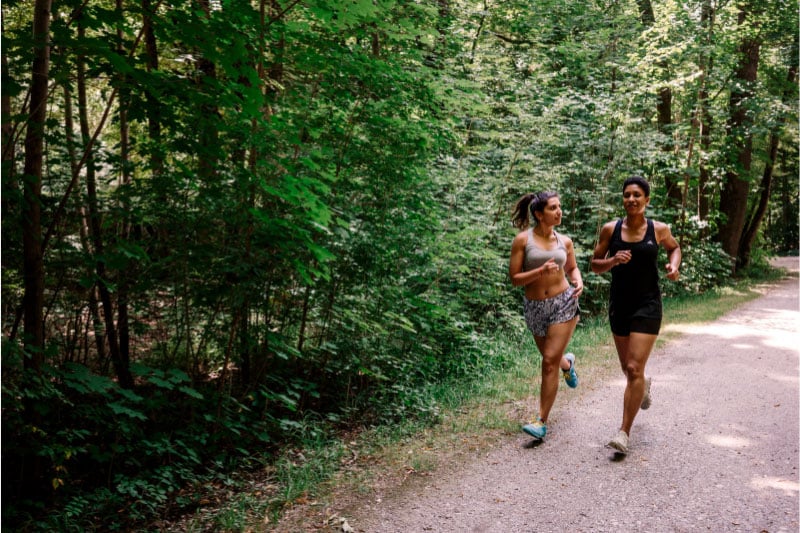
Running, swimming, cycling, or team sports like basketball and football are totally feasible. Weight training is also an option, provided you space out the sessions enough to recover properly.
How to optimize my sports practice during a high-protein diet?
Here are our various tips for combining sports practice and high-protein diet:
- Don't skip any meals: If you practice sports during your protein diet, it's even more important to eat regularly, and therefore not to miss any of the 5 meals/snacks that your weight loss program requires. A continuous protein intake is the key to reconciling weight loss and sports activity.
- Make sure to stay well hydrated: During your protein diet, it is essential to drink at least 1.5 liters of water (tea, herbal tea, etc.) per day. The practice of a sport combined with your diet thus requires intense hydration, ideally 2 liters of water (tea, herbal tea, etc.) per day. This should allow you not only to eliminate health risks, but also to cut off any possible feelings of hunger or fatigue related to your physical activity.
- Listen to your body: Pay attention to your body and its signals. If you feel excessive fatigue, dizziness, or other symptoms, stop your physical activity immediately and try to slow down the pace for future sessions.
Am I required to exercise during my high-protein diet?
Exercising during a diet is absolutely not mandatory. If you follow the different stages of the high-protein diet, you will lose weight, without necessarily having intense physical activity.
However, the benefits of exercising are universally recognized, both during a weight loss diet and in everyday life. Protein can also help you have a firmer and more toned body as it will help you develop your muscle mass. That's why during your protein diet, having physical activity is recommended, but certainly not mandatory for weight loss.
Exercising after a high-protein diet
In order to avoid regaining the lost weight after your high-protein diet, it is necessary to go through the stabilization phase, where you will learn good dietary habits that should lead you towards a balanced diet. Diet plays a very important role in weight loss or maintaining your ideal weight. You will learn to eat in a balanced way. But exercise also plays an important role.
The regular practice of a sport is part of this balance process. Thus, following your weight loss program, maintaining your ideal weight can be guaranteed by a healthy diet coupled with regular physical activity. Moreover, significant muscle mass increases the caloric expenditure of metabolism and will help you avoid falling back into being overweight. Your ideal weight can be maintained thanks to regular sports activity and a good diet (nutrition is very important in weight control).
You can exercise at home, walk at least 10,000 steps a day, cycle, or go to a gym. If you're not a sports enthusiast, you can take group classes: the group effect has a positive impact on motivation.
The practice of a sport is therefore compatible with your protein diet, and will allow you to reach your goals quickly by targeting weight loss. However, you must be careful not to exhaust yourself and respect the given prescriptions: 5 snacks/meals per day, at least 1.5 liters of water per day. Continuing sports after your diet will help you not regain the lost pounds, by adopting a healthy and balanced lifestyle.
If you have any other questions about the high-protein diet or if you would like support during your weight loss journey, don't hesitate to contact our customer service at 05 79 87 01 40.
 How to cook tofu: tips and tasty recipes
 List of plant proteins: the best slimming sources
 Succeeding at weight loss with a sugar-free week