 En
En
 Français
 Español
 Italiano





And after the protein diet: how to avoid gaining weight?
You have just completed your protein diet and you are wondering how to stabilize your weight after the diet? In this article, we will give you various tips to maintain your weight loss. The goal of the protein diet is to lose weight permanently.
You have probably heard of the yo-yo effect, if you want more information on this subject, click here. Avoid the yo-yo effect for permanent weight loss!
The transition between before protein diet and after protein diet
How does the protein diet help me change my eating habits?
The protein diet allows you to "break" the rhythm of previous eating habits. Since childhood, you have recorded a series of social, family, professional and dietary behaviors. Your behavior is also marked by your genetic background and "bad dietary principles" are literally ingrained: eating too much fat, too much salt or too much sugar, genetic makeup favoring the propensity to "gain 2 kilos for a square of chocolate", etc. The protein diet is an opportunity to create a pause between the dietary past that caused the excess weight, and the dietary future that will ensure the results obtained.
We have redesigned the protein diet to lose weight permanently. Our protein diet consists of 4 phases: 2 of them promote rapid weight loss while the last 2 phases will help you learn how to stabilize your weight. The goal is to avoid the yo-yo effect far too often encountered after traditional diets.
How to stabilize your weight: the rules of a balanced diet after a protein diet.
The Transition and Stabilization phases will allow you to adopt new eating habits. You will learn to compose balanced meals made up of all food groups. Eating a balanced diet is not as difficult as one might think.
You simply need to have a conscious approach to your diet and make informed choices. Here are some tips to help you eat a balanced diet:
- Eat a variety of foods: Try to include foods from all food groups in your meals. This includes fruits and vegetables, whole grains, lean proteins (such as chicken, fish, legumes), and low-fat dairy products.
- Control portions: To stabilize your weight, it is important to understand the recommended portions for each type of food. A balanced plate should contain about half vegetables, a quarter protein, and a quarter grains or carbohydrate-rich foods.
- Limit processed foods and added sugars: Processed foods, such as pre-prepared snacks and sugary drinks, are often high in calories and added sugars. Try to favor fresh and unprocessed foods as much as possible.
- Control your fat intake: Choose healthy fats, such as vegetable oils rather than saturated fats.
- Stay hydrated: Water is essential for a balanced diet. Try to drink enough water throughout the day and limit your consumption of sugary drinks and sodas.
- Be aware of your hunger and fullness: To learn how to stabilize your weight, you will need to learn to listen to your body's signals to know when you are hungry and when you are full. Eat slowly and stop when you feel satisfied, thus avoiding overeating.
- Plan your meals and prepare your own meals: Meal planning helps you make healthier choices and avoid giving in to food temptations. Preparing your own meals gives you control over the ingredients used and allows you to favor nutritious foods.
By following these principles, you will be able to develop new healthy and balanced eating habits. The Stabilization stage will allow you to learn to live with these new principles.
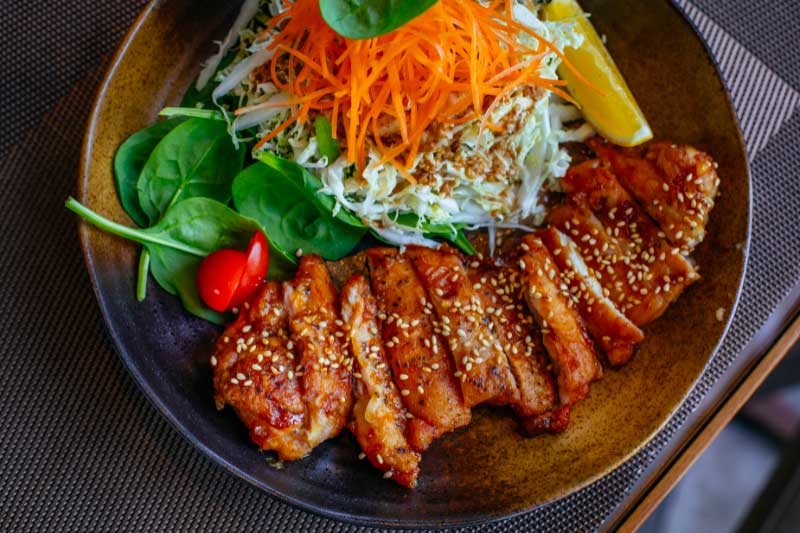
How to stabilize your weight: our detailed tips for losing weight permanently
Finding balance after the high-protein diet
The basic rules of balance after the protein diet to lose weight permanently and learn how to stabilize your weight:
- Never skip a meal: breakfast, lunch and dinner make up the winning trio of a balanced diet.
- Follow the rule of 3 meals per day, with a snack at 5pm (fruit or 0% dairy, sugar-free drink).
- Establish a reflexive eating pattern: Breakfast, lunch, 5pm snack, dinner and 1 possible deviation per week.
The golden rule for a balanced diet is to never skip a meal and to provide your body with a regular rhythm as it needs references. This way, you'll avoid snacking cravings. It's also important to note that permanent weight loss is not just about food, but also about adopting a healthy lifestyle.
Eat everything in reasonable quantities
To lose weight permanently and learn how to stabilize your weight, it's important to review our approach to food. Gone is the classification of foods into "good" and "bad": all have their qualities and drawbacks. The essential thing is to know them and make the best of each one.
Each meal should include a combination of animal and plant proteins, slow-digesting carbohydrates, unsaturated fats, fiber, and dairy products. However, it's best to avoid white sugar, which can have a negative impact on our weight and health. Similarly, processed meats and animal fats should be limited in our diet.
It's important to note that the phase guide provides clear information on the recommended portions and the roles of different food groups to consume during the Stabilization phase. By following these recommendations, you can achieve your goals to lose weight permanently and develop healthy eating habits to maintain your weight long-term.
After a high-protein diet, you shouldn't deprive yourself too much
Dietary balance should not rhyme with constant deprivation!
Instead, allow yourself one or two "small" pleasures per week. A spoonful of liquid cream to accompany a chicken fillet, a fruit sorbet, a glass of "strong" alcohol, a local charcuterie starter... Or, for the more indulgent, one "big" pleasure per week: pastry, ice cream, a hearty meal (but not too rich in fats, especially), pizza, etc.
The next day, motivate yourself to engage in increased physical activity, and eat a little lighter than usual, without truly restricting yourself.

However, be careful not to deviate too much at the risk of regaining weight. To deal with various deviations, you can consume some high-protein products to control your calorie intake.
You can replace your classic snacks with high-protein, low-calorie snacks. It is also possible to consume a high-protein sachet at lunch or dinner following an excess.
Green light on fibers!
Fiber-rich foods (whole bread, fresh fruits, vegetables, brown rice) and minerals fill the stomach without providing too many calories. They are true "fuels" that provide the energy the body needs. They also facilitate intestinal transit, "trap" some dietary fats in the intestine, and increase the feeling of satiety.
To lose weight permanently, go easy on fats...
To stabilize your weight, you will need to learn to limit your fat intake. Lipids should not be eliminated, as they provide the fatty acids necessary for proper cell function. They are also rich in vitamins A, D and E. Allow 1 tablespoon of vegetable oil per meal, and 5 to 10g of butter if you don't consume eggs.
Only one drink is truly essential: water
You must drink abundantly, at least 1.5 liters of water per day, regardless of the weather. The body needs water, because it provides the trace elements and minerals essential to life, but also because a small glass of water is often as effective as a more caloric snack.
Coffee, tea, herbal teas are all ways to drink, provided you do not use sugar, but sweeteners.
For pleasure, you can have a glass of wine at lunch or dinner, a diet soda or a glass of champagne during the day (but not every day).
If you enjoy drinks with delicious flavors, discover our high-protein drinks which contain very few calories. Rich in protein, they will give you a feeling of satiety very quickly.
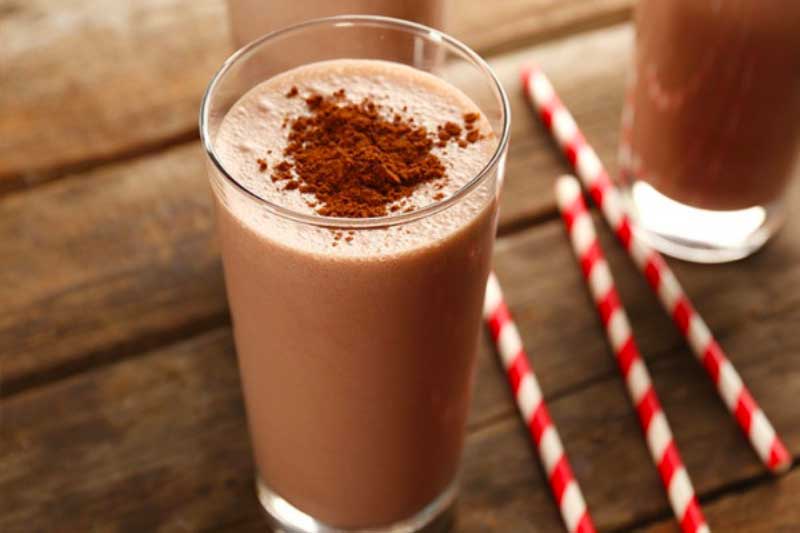
To stabilize your weight, you must be vigilant
Learn to weigh yourself once a week maximum. If you regain weight (a weight gain of more than 2 kilos established over a minimum of 10 days should be quickly compensated by one to three days of level 2, 3 or 4). It takes about 1 year of weight and dietary monitoring for the body to definitively "record" its new weight: once memorized, it will regulate itself within the framework of dietary balance. This is how you can lose weight permanently.
Exercise for permanent weight loss
The results of studies conducted on maintaining weight loss at T + 1 year and T + 2 years confirm the importance of regular physical activity, even light, to lose weight permanently. During your diet, it is essential to adopt a progressive and fun approach to physical activity, in order to perfectly integrate it into your daily life.
The goal is to increase your energy expenditure, stimulate your cardiovascular and veno-lymphatic system, and improve your muscle mass. Activities such as swimming, walking, horseback riding, fitness, etc., practiced for 2 to 4 hours per week, contribute to your well-being and physical toning.
By incorporating these physical activities regularly, you can maintain your weight loss results in the long term. It is essential to find activities you enjoy and integrate them into your daily routine, to make exercise enjoyable and permanent. By combining a balanced diet and regular physical activity, you can achieve your weight loss goals and stabilize your weight permanently.

We hope that all these tips will help you understand how to stabilize your weight after a high-protein diet. If you have correctly followed all the steps of the high-protein diet, you have now incorporated new habits into your daily life thanks to the Stabilization phase program.
If you have any other questions about the high-protein diet or if you would like support during your weight loss journey, don't hesitate to contact our customer service at 05 79 87 01 40.

 How to cook tofu: tips and tasty recipes
 What diet menu to effectively lose 10 kilos?
 Succeeding at weight loss with a sugar-free week