 En
En
 Français
 Español
 Italiano






How does the protein diet work?
Through this article, we will help you better understand the functioning of the protein diet. You will learn more about the role that proteins play in this low-calorie diet as well as the functioning of metabolism. The protein diet allows you to lose weight quickly while protecting your muscle mass.
What is a protein diet?
A protein diet is a type of diet that focuses primarily on protein consumption while limiting carbohydrate and fat intake. The main objective of a protein diet is to increase the amount of protein consumed while reducing total caloric intake. As part of a protein diet, you will mainly consume high biological value proteins contained in high-protein sachets.
What is the role of proteins in a protein diet?
In a protein diet, proteins play a central role. They are essential for many functions in the body. Consuming a significant amount of protein is considered a pillar of this type of diet. Here are the main roles of proteins in a protein diet:
How to adapt your diet during a protein diet?
Now that you know more about the role of proteins in a protein diet, you're probably wondering what you can eat during your protein diet. Before starting a protein diet, it's important to realize that you will need to change your eating habits if you want to achieve your weight loss goal.
During the first stages of the protein diet, the consumption of carbohydrates and fats is prohibited. Indeed, to promote rapid and targeted weight loss on your body fat, you should not enrich your body with glucose. As you progress through the stages of the protein diet, you will reintegrate all food groups into your diet. The goal is to adopt new, healthier eating habits so that you don't regain the weight you've lost.
Even though weight loss is concentrated on the first two stages of the protein diet: the strict diet and the mitigated diet, the last two stages of the protein diet should not be neglected. These last two stages will help you stabilize your new weight and avoid the yo-yo effect that is all too often encountered following a classic low-calorie diet.


Protein diet
Consumption of high-protein sachets only and at every meal. Weight loss is estimated at about -2.5 kilos per week.
Mixed diet
Consumption of high-protein sachets and integration of a slimming meal composed of dietary proteins (animal and/or dairy).
Transition
Consolidation of weight loss and gradual introduction of carbohydrates and fats through a balanced breakfast.
Stabilization
New dietary reflex and meal composition including all food groups.
During your protein diet, you will consume:
- High-protein sachets or other high-protein products. We strive to offer you varied and tasty recipes so that your protein diet is not a source of deprivation. Even if you are on a diet, you will be able to consume meals with delicious flavors.
- Allowed vegetables (a list will be provided to you). It is important to accompany your high-protein sachets with allowed vegetables. Indeed, vegetables will help improve your transit following the modification of your food intake. Depending on the stages of your protein diet, you will be allowed to consume different vegetables.
- Dietary proteins. From stage 2 of the protein diet, you will consume a slimming meal for lunch and dinner. This slimming meal is partly composed of dietary proteins such as:
- Animal proteins (lean meat, fish)
- Dairy proteins (cottage cheese)
- Sugar-free drinks:
- Tea
- Coffee
- Carbohydrates or lipids in small amounts (only at the end of the protein diet). During stage 3 of the protein diet, you will consume a complete breakfast. During the last stage of the protein diet, stabilization, you will consume meals composed of all food groups.
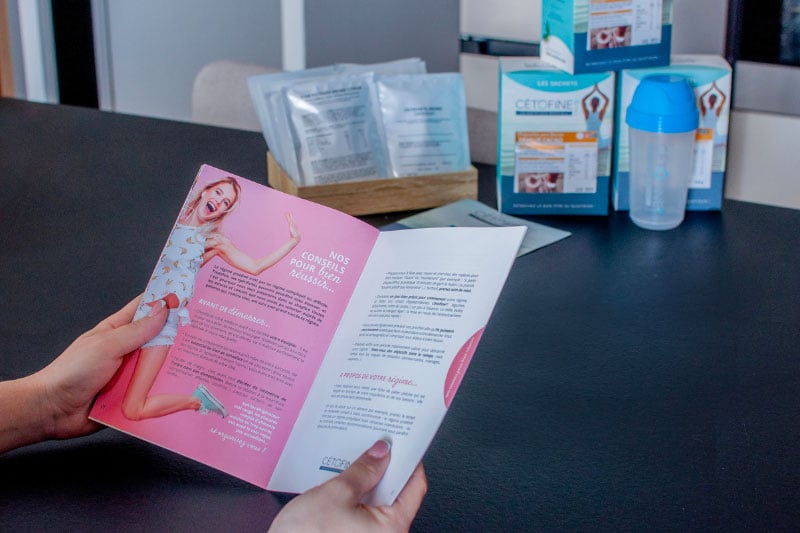
When you start your protein diet, we provide you with a guide explaining how to compose your meals, when to have a meal, or what you can eat depending on the stage you are in.
When you are on a protein diet, we recommend taking a vitamin and mineral supplement to avoid any form of deficiency.
How does metabolism work during a protein diet?
Metabolism refers to all the chemical processes that occur in the body to maintain life. It encompasses the complex chemical reactions that occur at the cellular level to convert nutrients into energy, build and repair tissues, regulate hormones, eliminate waste, and perform other vital functions. When you follow a protein diet, you change your eating habits, therefore your metabolism will function differently.
As explained previously, following a high-protein diet involves significantly reducing carbohydrate consumption (found in pasta, rice, bread, etc.) and lipids (such as fatty acids found in fats like butter, oil, as well as in certain foods like nuts, avocados, cold cuts, etc.).
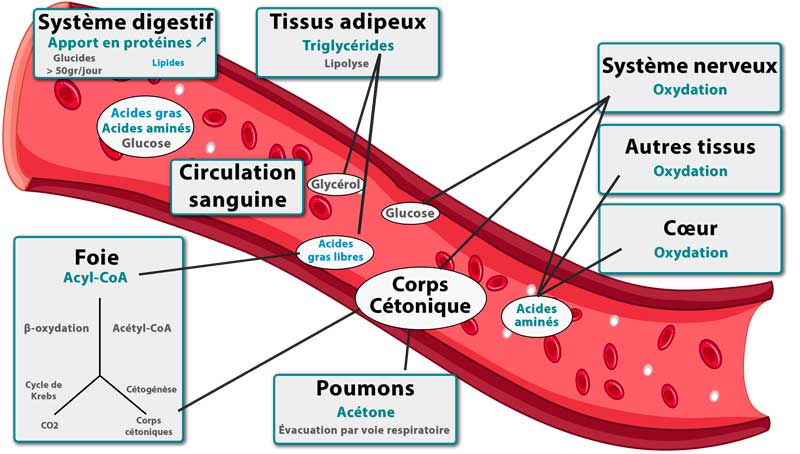
By eliminating these two nutrient groups from the diet and significantly increasing the intake of high biological quality proteins, the body is forced to tap into its fat reserves for energy. Here's how it works:
In the absence of the essential carbohydrate intake, the body begins by using glycogen reserves present in the muscles and liver. These reserves are completely depleted after about 48 hours.
When the liver reserve is depleted and insulin levels are low, adipose tissues release their triglycerides into the blood. These triglycerides are then converted by the liver into an energy source used by the brain and the entire body instead of glucose. This is ketone body production.
This complex biochemical process of converting reserve fats at the hepatic level is called ketogenesis. Fat reserves are used by the liver to produce energy. However, it can only be established and maintained if carbohydrate intake does not exceed 50 g per day. This is why it is essential to not consume foods containing carbohydrates during the first stages of the protein diet.
During the ketogenesis process, the liver produces three types of ketone bodies: acetoacetate, β-D-hydroxybutyrate, and acetone.
Acetoacetate and β-D-hydroxybutyrate are used as preferred energy sources during ketogenesis. They also have the particularity of being psychotonic (not causing fatigue) and anorexigenic (not causing a sensation of hunger, giving a feeling of satiety). This is why the protein diet is an easy diet to follow: you are not tired while changing your eating habits and you do not feel hungry.
As for acetone, the third ketone body, it has no useful role. It is transported by the blood to the lungs where it is exhaled during respiration. This is why when you are on a protein diet, you may have bad breath problems. However, this is a sign that you are correctly following your protein diet.
The high-protein sachets rich in essential amino acids (EAA) contain proteins that contribute to the maintenance of muscle mass. In their absence, the body would be forced to break down its own muscle tissues to obtain the necessary amino acids. A protein diet allows for rapid weight loss while treating overweight safely and effectively.
Starting a protein diet for weight loss
There are two options if you want to start a protein diet:
- Order your high-protein products yourself and follow your protein diet using our guide. If you would like more information on the number of high-protein sachets you will need to order, you can consult our dedicated page.
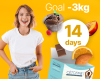
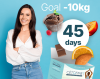
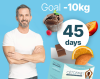
- Choose a weight loss kit that includes everything you need to lose 3 kilos, 6 kilos, or 10 kilos, whether you are a woman or a man.
Our weight loss kits are designed to help you achieve your weight loss goal. We send you the number of high-protein sachets you need to lose weight quickly. You will find our customers' favorite recipes as well as dietary supplements to help you reach your weight loss goal.
There are 3 different kits to follow a protein diet, each kit is designed for a different weight loss:
- Choose a kit allowing you to lose 3 kilos in 2 weeks.
- Choose a kit allowing you to lose 6 kilos in 1 month.
- Choose a kit allowing you to lose 10 kilos in 1 month and a half.
If you have any other questions about the protein diet for weight loss, our advisors are available to help. You can contact us at 05 79 87 01 40 or browse all of our products on our website.

 How to cook tofu: tips and tasty recipes
 What diet menu to effectively lose 10 kilos?
 Succeeding at weight loss with a sugar-free week