 En
En
 Français
 Español
 Italiano








How to choose the right vegetables during a high-protein diet?
When you follow a high-protein diet, you will accompany your protein meals with vegetables. Depending on their carbohydrate content, certain vegetables cannot be consumed at all stages of the high-protein diet. Cétofine 21 explains how to choose your vegetables wisely during the high-protein diet.
Nutrition during a high-protein diet
The protein diet is a dietary program based on high-protein sachets, which is considered the most effective for losing weight. By controlling caloric intake, consuming high-quality proteins, you can achieve targeted weight loss on fat mass.
During the high-protein diet, there are different phases, each with its specific characteristics and precise functions.
In summary, Phase 1 is designed to trigger rapid weight loss, allowing weight loss of up to -2.5 kilos per week. It consists of 5 protein sachets per day and authorized vegetables (6 high-protein sachets for men who will have an additional snack at 10 PM). This is the most restrictive phase, but also the most effective for a quick start.
Phase 2 aims to continue weight loss while reintroducing proteins in a more "traditional" form. It consists of 4 protein sachets, authorized vegetables, and a dietary protein meal such as poultry, beef, fish, lean meat, and dairy products.
Phase 3 follows the principles of Phase 2, but adds a balanced breakfast including bread, authorized fruits, and dairy products. It serves as a transition between the weight loss phases and weight stabilization after the slimming diet.
Phase 4 is the final stage of the diet. Its objective is to stabilize the achieved weight, and it allows the reintroduction of starches such as pasta, rice, and potatoes. This phase aims to teach the good habits of a balanced diet to maintain weight long-term and thus avoid the yo-yo effect.
Consuming vegetables during a high-protein diet
Consuming vegetables during a high-protein diet is of crucial importance, we explain why. We will also give you the list of vegetables you can consume at each stage of your high-protein diet.
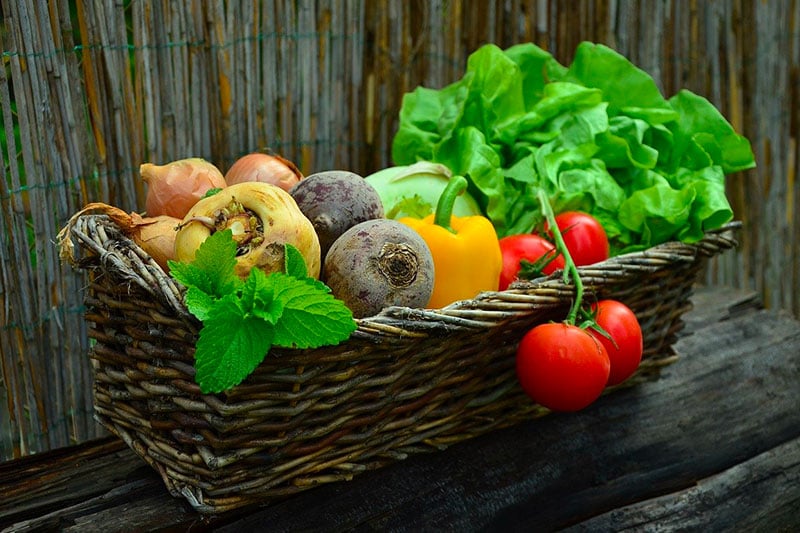
The importance of vegetables during a high-protein diet
Vegetables have many benefits during and after the weight loss diet:
- Rich in antioxidants: natural molecules that neutralize aggressive particles (free radicals).
- Rich in vitamins and minerals: vitamins A, B3, B6, C, E, PP...
- Low in calories and fat: very useful during a low-calorie diet.
- High in fiber: they provide a feeling of fullness when digested.
- High in water: in addition to the recommended 1.5L of water during the weight loss diet, you consume water in your vegetables.
- Increases food volume: You maintain a significant food intake. This helps preserve your transit and avoid constipation.
Consuming vegetables during a high-protein diet is crucial for several reasons. First, vegetables are an essential source of nutrients, vitamins, and minerals, which are necessary for the proper functioning of our body, even during a restrictive diet.
By including vegetables in your diet during a high-protein regimen, you increase your fiber intake. Dietary fiber contributes to satiety, which can help you control your appetite and avoid cravings. It also promotes good intestinal transit and can contribute to weight management.
Vegetables are also low in calories and high in water content, which means you can consume them in satisfying quantities while limiting your overall calorie intake. They add volume to your meals, while providing a variety of flavors and textures to your diet.
Moreover, vegetables are an excellent source of phytonutrients, which are beneficial plant compounds that can help strengthen our immune system.
Finally, vegetables offer a wide variety of choices, which allows you to vary your pleasures and maintain a balanced and healthy diet. They can be consumed raw, steamed, sautéed, or in salads, providing great flexibility in meal preparation.
Consuming vegetables during a high-protein diet is essential to provide necessary nutrients to your body, promote satiety, and maintain good intestinal transit. Remember to include a variety of vegetables in your diet to maximize the benefits for your overall health.

During the high-protein diet, you consume meal replacements rich in proteins and amino acids. You limit fat intake and foods high in sugars to allow your body to enter the ketosis phase (it consumes reserve fat for energy).
Once in the ketosis phase, your metabolism triggers targeted fat loss. If you want to learn more about how your metabolism works, we invite you to read our article: "How does the protein diet work?"
The objective of the high-quality protein intake (provided by protein sachets) is to maintain muscle mass during weight loss.
Vegetables for the high-protein diet
During your high-protein diet, vegetables will be true allies and they will accompany you during your weight loss goal. One might think that vegetables are sugar-free, but for example, green beans contain between 3% and 6% carbohydrates. Therefore, not all vegetables are allowed during the protein diet.
For this reason, we have prepared a list of seasonal vegetables that you can enjoy during your weight loss program.
Vegetables are divided into different groups:
Group 1 - Up to 3% carbohydrates
Group 2 - From 3 to 6% carbohydrates
Group 3 - Over 6% carbohydrates
| Stage 1 | Stage 2 | Stage 3 | Stage 4 | |
| Group 1 (< 3% carbohydrates) | Unlimited | Unlimited | Unlimited | Unlimited |
| Group 2 (3% to 6% carbohydrates) | 200g/day or 100g/meal | 200g/day or 100g/meal | Unlimited | Unlimited |
| Group 3 (>6% carbohydrates) | X | X | 100 grams/meal up to 5 times per week | 100g/meal up to 5 times per week |
If you wish to consume a vegetable that is not on the list below, you can search for its composition on Aprifel and check which group it belongs to.
Seasonal vegetables during the high-protein diet
Seasonal vegetables are important because they are fresher, more flavorful, and richer in nutrients. They support local and permanent agriculture, offer greater variety in your diet, and are often more affordable. They will allow you to vary your meals during your high-protein diet to lose weight.
January
Group 1: spinach, lettuce, celery, green cabbage, leek, radish, cauliflower.
Group 2: Brussels sprouts, endive, turnip, pumpkin.
Group 3: carrot, salsify, Jerusalem artichoke.
February
Group 1: spinach, lettuce, celery, green cabbage, leek, cauliflower, radish, leek.
Group 2: Brussels sprouts, endive, turnip.
Group 3: carrot, salsify, Jerusalem artichoke.
March
Group 1: spinach, lettuce, celery, green cabbage, leek, cauliflower, radish.
Group 2: endive, turnip.
Group 3: carrot, salsify.
April
Group 1: asparagus, spinach, lettuce, red radish, Swiss chard, cooked celery stalk, green cabbage
Group 2: endive, turnip, celeriac
Group 3: carrot, broad bean.
May
Group 1: artichoke, asparagus, cucumber, spinach, fennel, lettuce, red radish, Swiss chard.
Group 2: turnip.
Group 3: beetroot, broad bean, green pea.
June
Group 1: artichoke, asparagus, Swiss chard, broccoli, cucumber, zucchini, fennel, lettuce, green bell pepper, red radish.
Group 2: eggplant, green bean, tomato, yellow and red bell pepper.
Group 3: beetroot, green pea, broad bean.
August
Group 1: artichoke, Swiss chard, broccoli, cucumber, zucchini, fennel, lettuce, green bell pepper, red radish, celery.
Group 2: eggplant, green bean, tomato, yellow and red bell pepper.
Group 3: beetroot, corn.
September
Group 1: artichoke, Swiss chard, broccoli, cauliflower, cucumber, zucchini, fennel, lettuce, green bell pepper, celery.
Group 2: eggplant, green bean, tomato, yellow and red bell pepper.
Group 3: beetroot, corn.
October
Group 1: Swiss chard, broccoli, cauliflower, fennel, lettuce, celery, leek.
Group 2: Brussels sprouts, turnip, pumpkin.
Group 3: beetroot, carrot, corn, salsify.
November
Group 1: broccoli, cauliflower, fennel, lettuce, black radish, green cabbage, celery, leek.
Group 2: Brussels sprouts, endive, turnip, pumpkin.
Group 3: carrot, salsify, Jerusalem artichoke.
December
Group 1: cauliflower, lettuce, black radish, celery, green cabbage, leek.
Group 2: Brussels sprouts, endive, turnip, pumpkin.
Group 3: carrot, salsify, Jerusalem artichoke.
If you have any doubts about which vegetables you can or cannot consume, we invite you to consult your guide (received with your Cétofine 21 high-protein products). If you have questions about the high-protein diet or our weight loss kits, contact our Cétofine 21 advisors. They will be able to support you in achieving your weight loss goal.
If you have any other questions about the high-protein diet or if you would like support during your weight loss journey, don't hesitate to contact our customer service at 05 79 87 01 40.

 How to cook tofu: tips and tasty recipes
 What diet menu to effectively lose 10 kilos?
 Succeeding at weight loss with a sugar-free week